

Three Places to Visit in Bulgaria
Describing our visit to Sofia, Plovdiv, and the Rila Monastery during winter in Bulgaria.
To start this year, we took a trip to Bulgaria. I’ve already written a post about skiing in Bansko, so I won’t include that here. But we spent about a week visiting three other places that I’ll talk about in this post: Sofia, the Rila Monastery, and Plovdiv.
Our flights and all of our travels were in and out of Sofia. We found that this made the most sense since we were relying on public transportation instead of renting a car. It was usually more time efficient to return to Sofia than to take trains between places. We flew into Sofia, took a private taxi to Bansko, then came back to Sofia for a couple of nights. Next, we did a day tour to the Rila Monastery and later took the train to Plovdiv. Going back and forth to Sofia might not have been the most sensible itinerary looking at a map, but it matched with the train schedules and what we wanted to do with our days off work.
Sofia
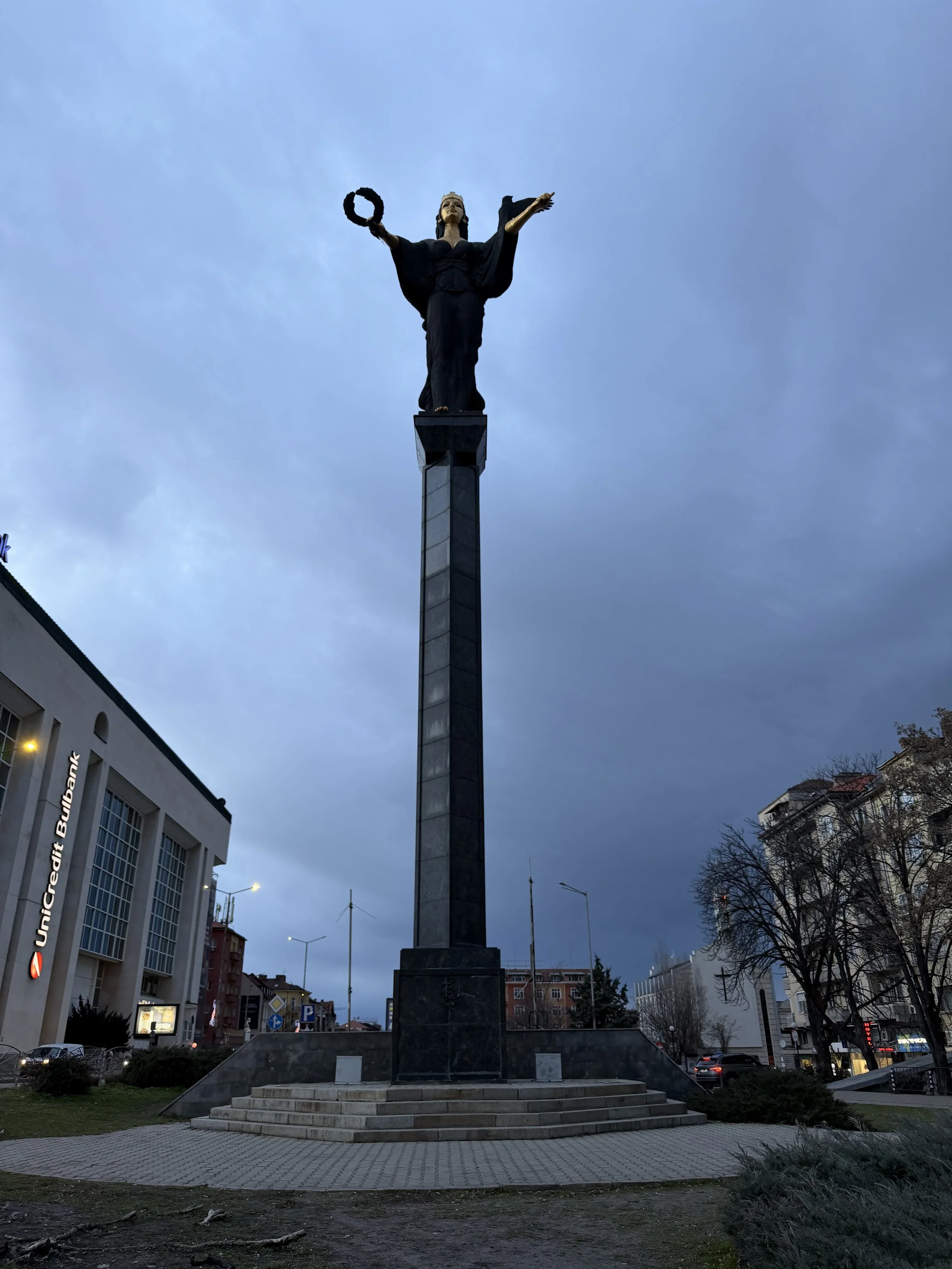
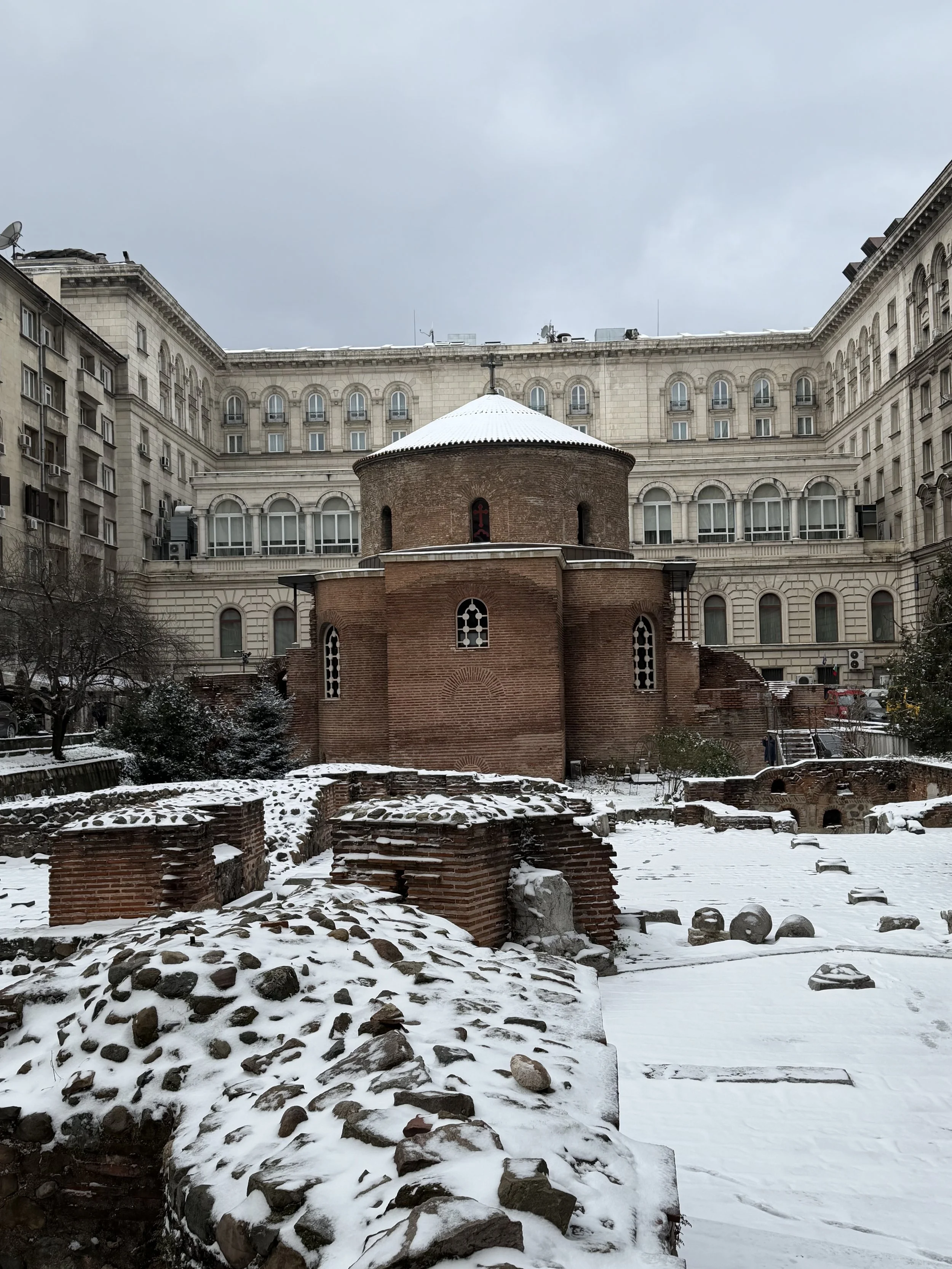
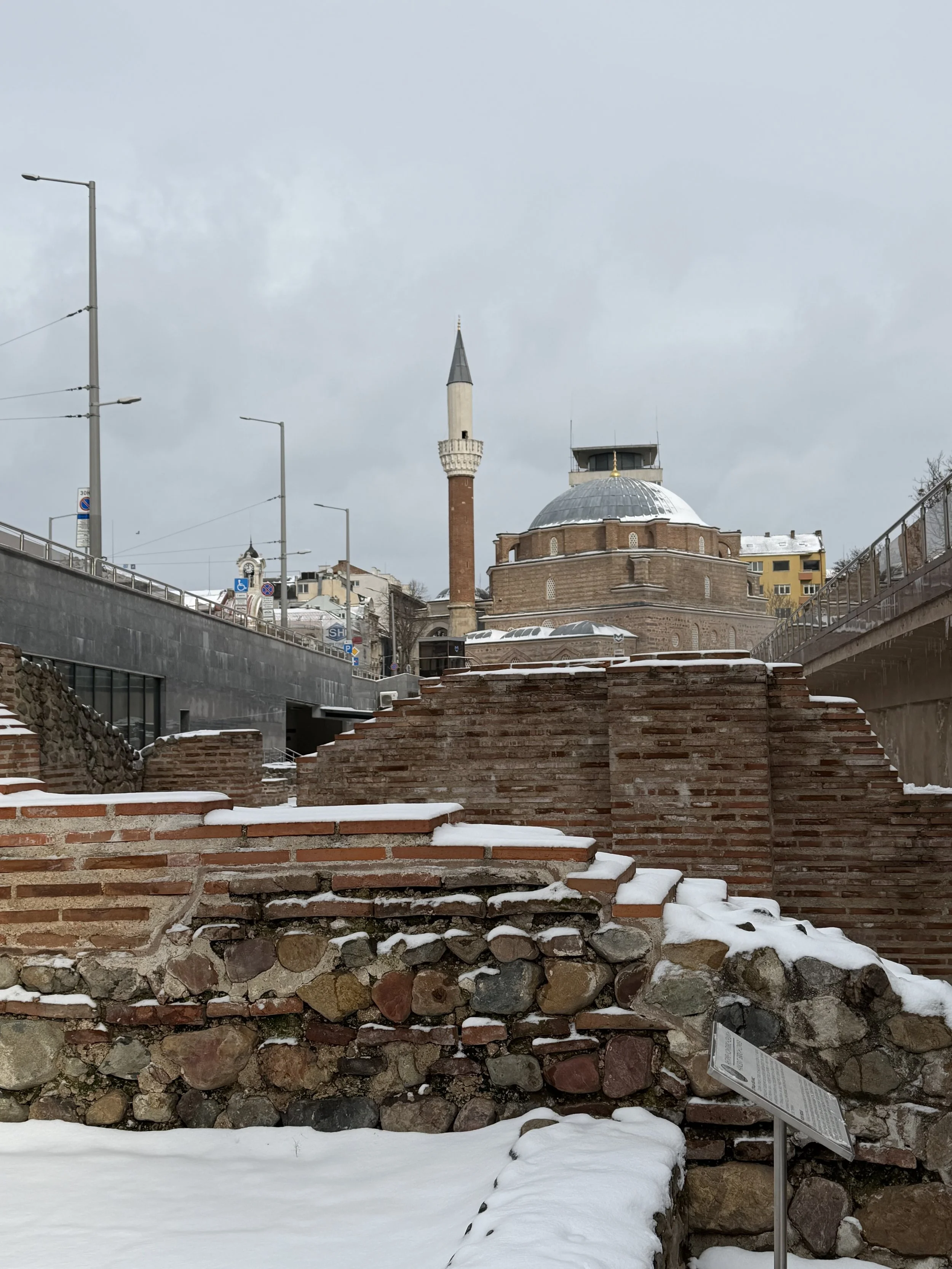
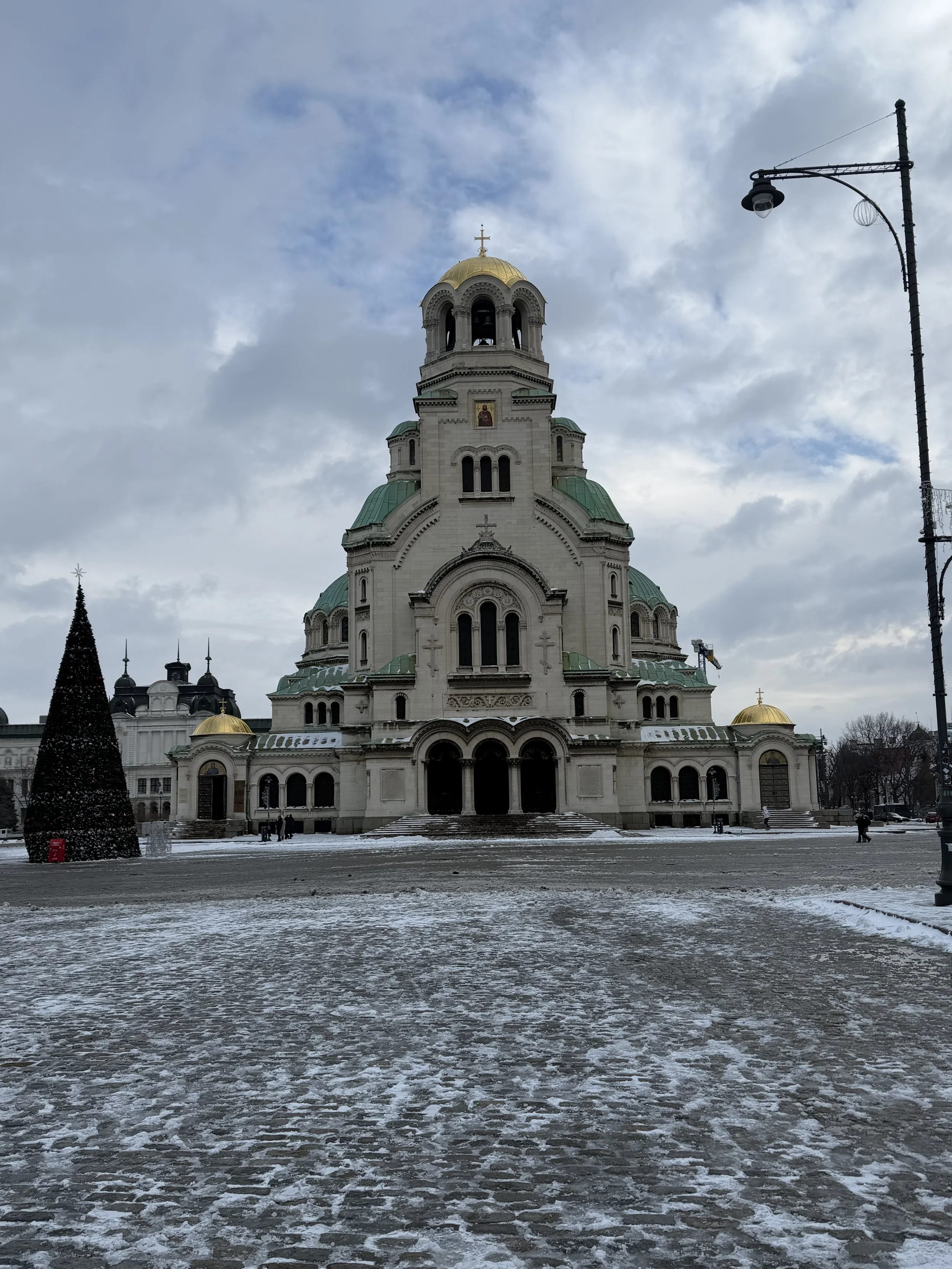
We spent about four nights in Sofia in total. On the surface, it wasn’t too much different from other western European cities, with modern cafes, international cuisines, landmarks, museums, and things to do. But on my last day, I took a free walking tour that revealed the rich history of the city. There were layers leftover from the Romans and the Ottomans that create a really interesting blend of architecture and ruins. It snowed that day, and it was pretty to see the city dressed in white—though I was completely frozen!
We were a little lazy about going out to eat in Sofia because we’d gone out a lot in Bansko, so we got takeout a few times and even tried the McDonalds (we don’t usually eat American fast food, but we like to see the unique items in other countries!) I have to say, it was our best international McDonalds yet. I also ate at 718 Breakfast & Brunch twice in one day since my Bulgarian coworker recommended it, and it was a nice cozy shelter from the snow.
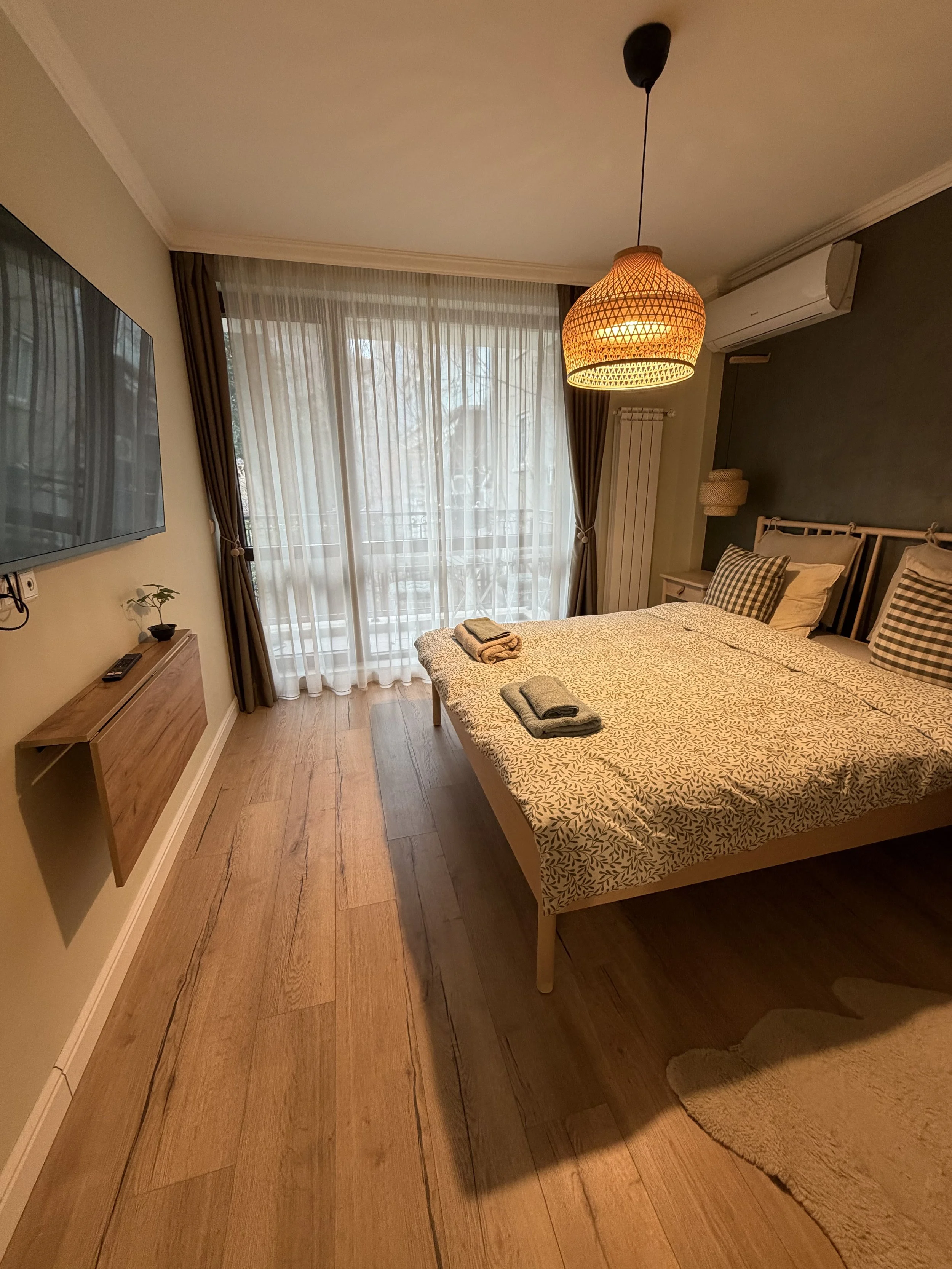
Our Airbnb was so nice, we almost never wanted to leave it:
We also visit the Red Flat, a museum/apartment decorated to show what everyday life was like in communist Bulgaria. The household actually didn’t seem too different from growing up in the late 80’s or early 90’s in the U.S.—there was a rotary phone and a vinyl record player for the Gen Z-ers to wonder about. The main things that were different were the travel restrictions and work policies.
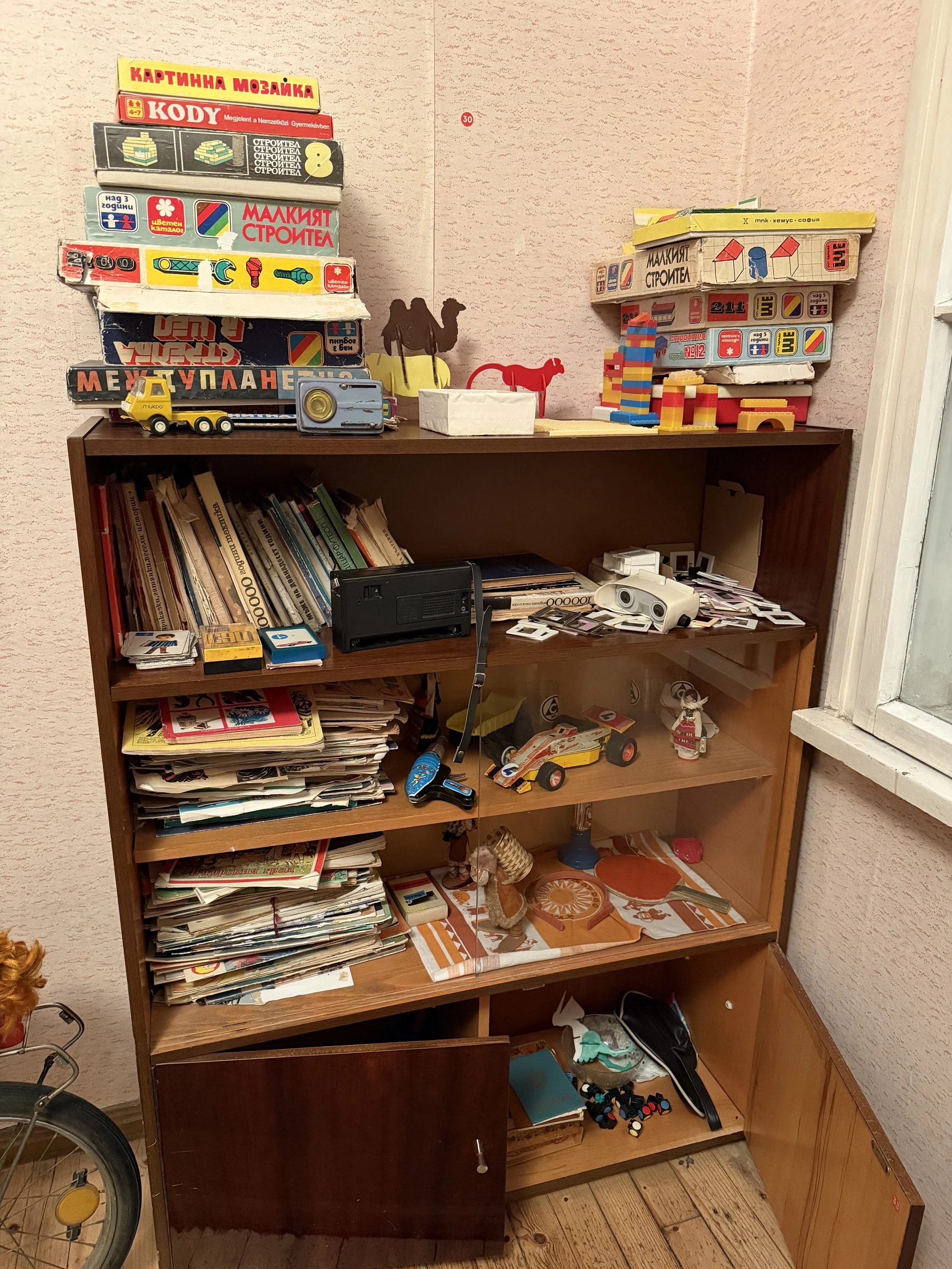
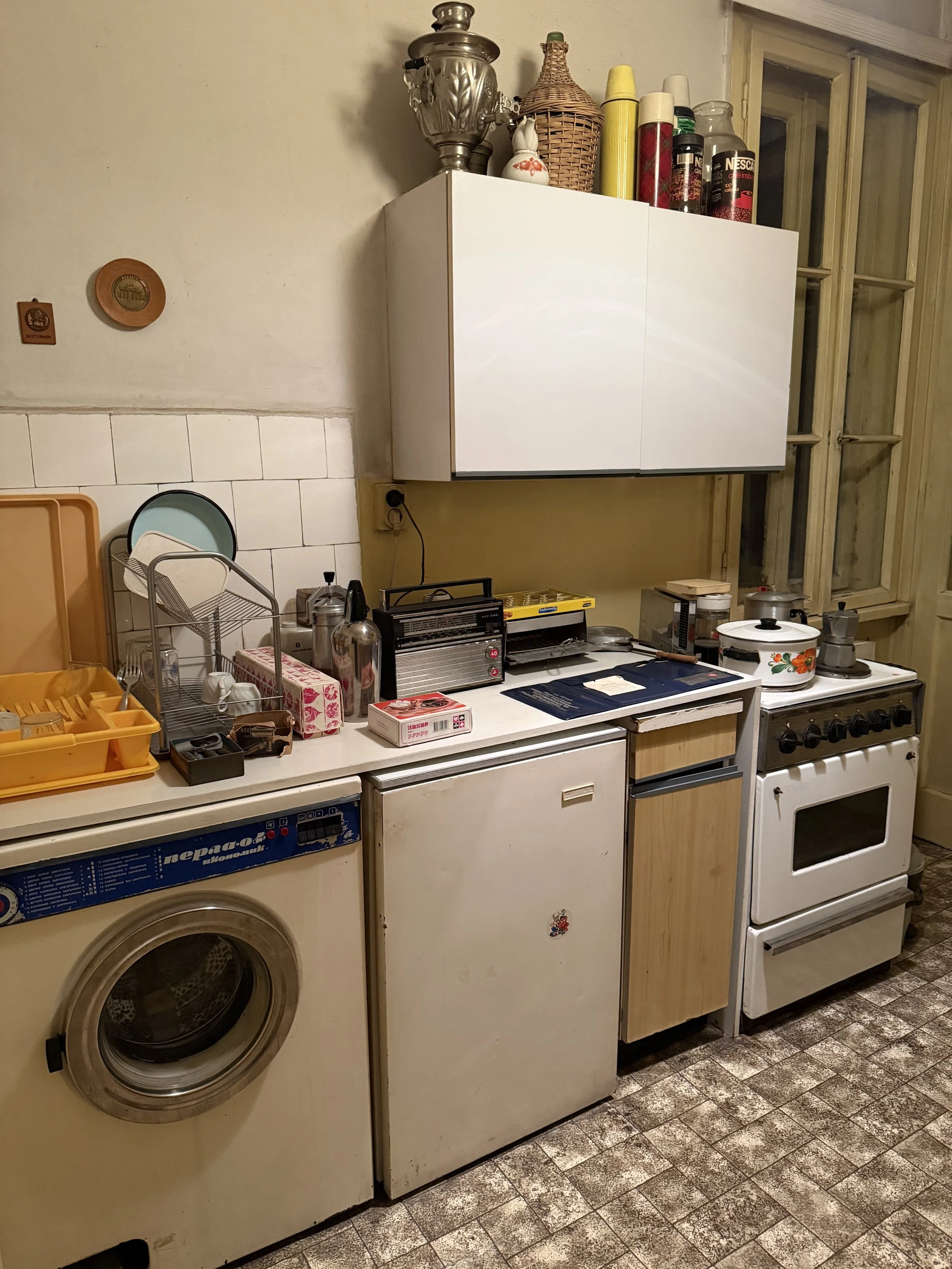
Bulgaria has gone through some tough times since the fall of communism, and it was apparent in some parts of Sofia. Areas like the train station were really run down and there was graffiti everywhere. But for the most part, it was similar to other European cities I’ve visited and it was interesting to learn the history and see the leftover relics of time.
Rila Monastery
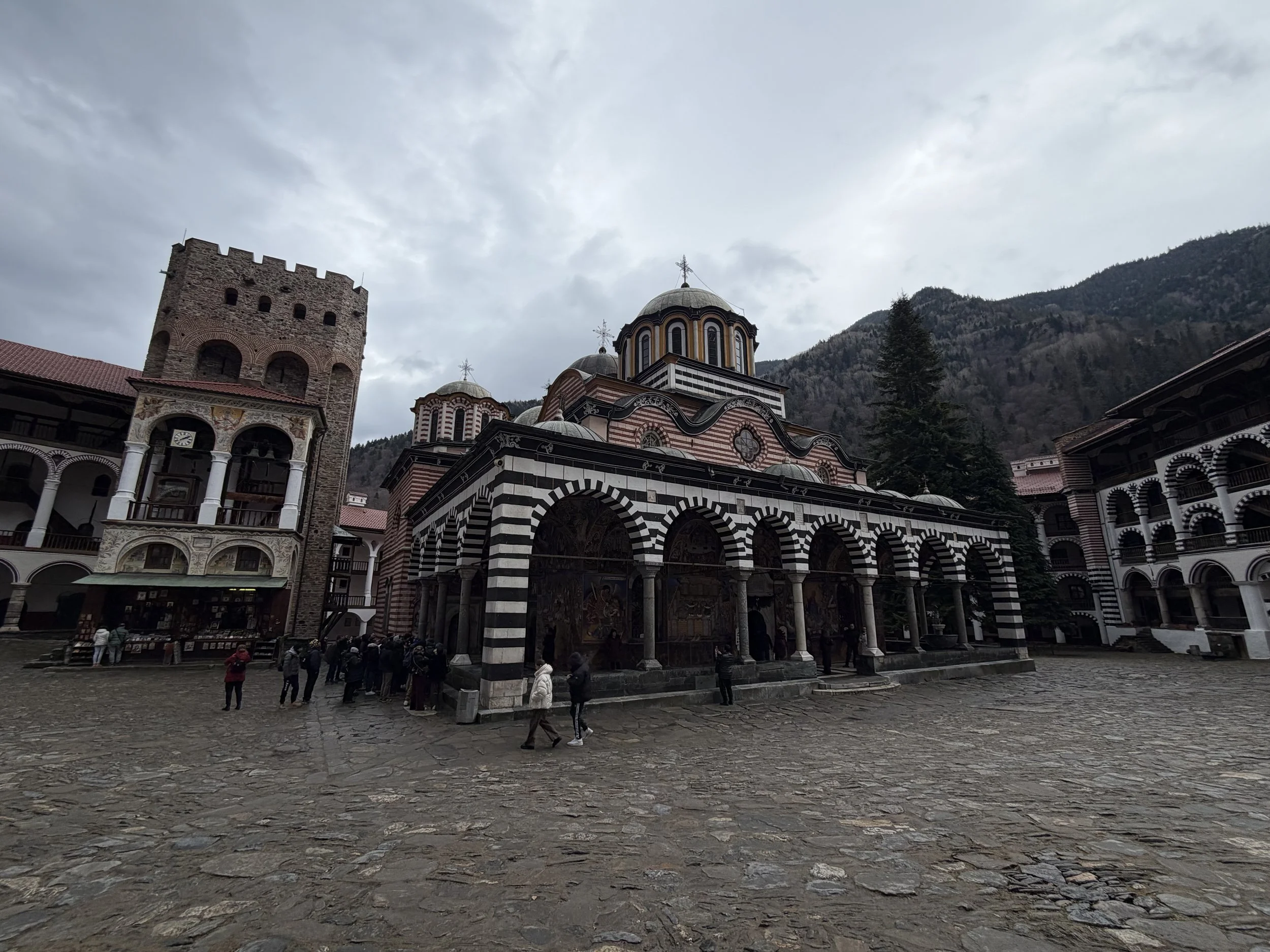
From Sofia, we took a day tour to visit the beautiful Rila Monastery, which also included a stop at the much smaller Boyana Church. It was about a 2 hour bus ride from Sofia, stopping at the small church along the way:
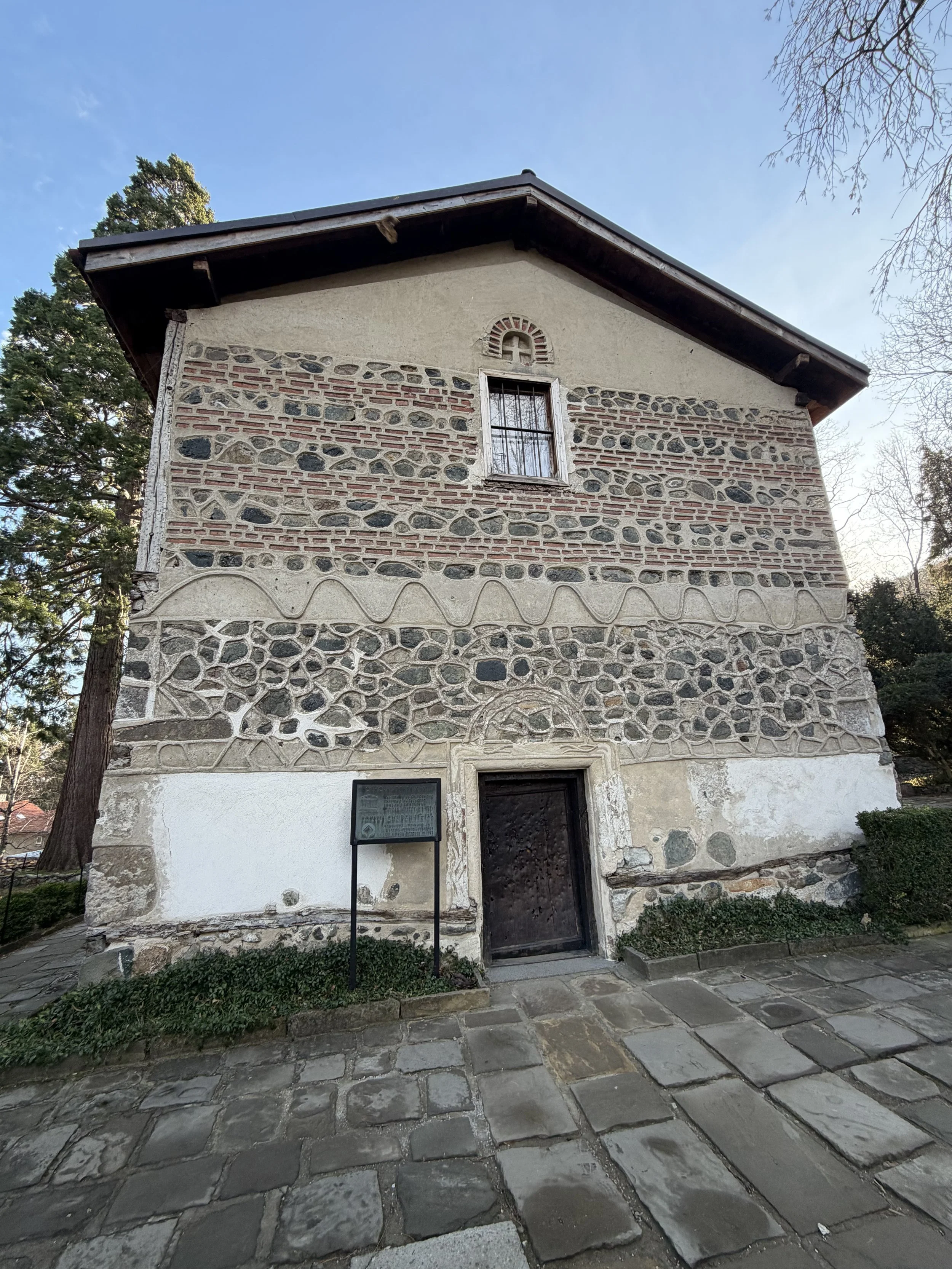
It doesn’t look like much from the outside, but there are some very old and beautiful images painted on the inside.
After a short stop, we headed to the Rila Monastery. On our tour, we learned about the monastery’s operations and history throughout the centuries. It’s still active and you can even stay there as a hotel (we chose to return to our nice warm Airbnb in Sofia!)
The paintings around the outside of the main church are amazing:
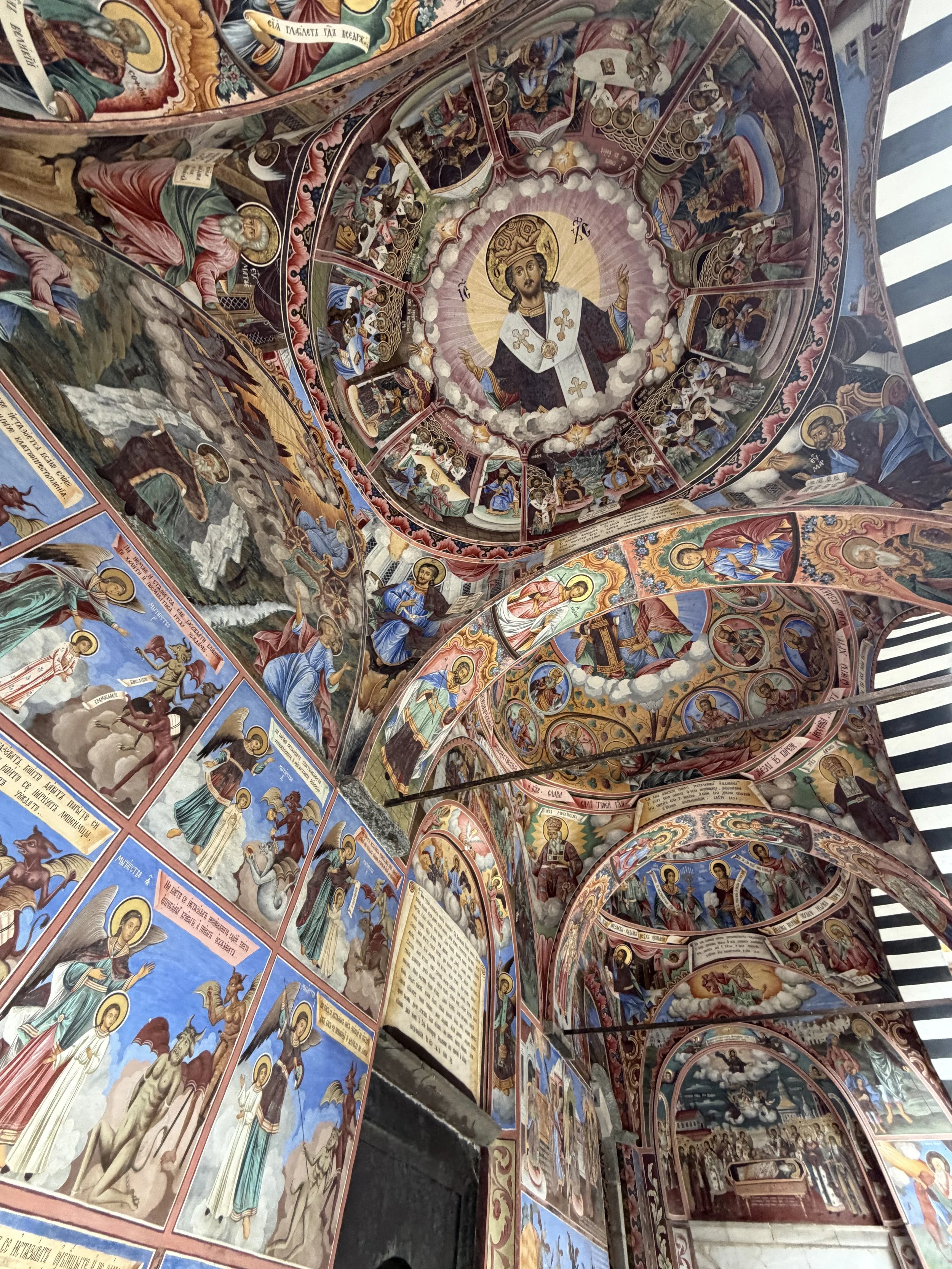
The striped arches reminded me of visiting the Cordoba Cathedral in Spain. You’re not supposed to take photos inside the church, but it was quite ornate and impressive. We took the audio tour to learn more about each area of the monastery.
However, as much as I enjoy learning about history and beautiful churches, my favorite part of the whole experience was waiting just outside the monastery… at the bakery! We sampled some of the best of Bulgarian cuisine, mekitsas, which are basically fried dough with jam and powdered sugar. Yum!
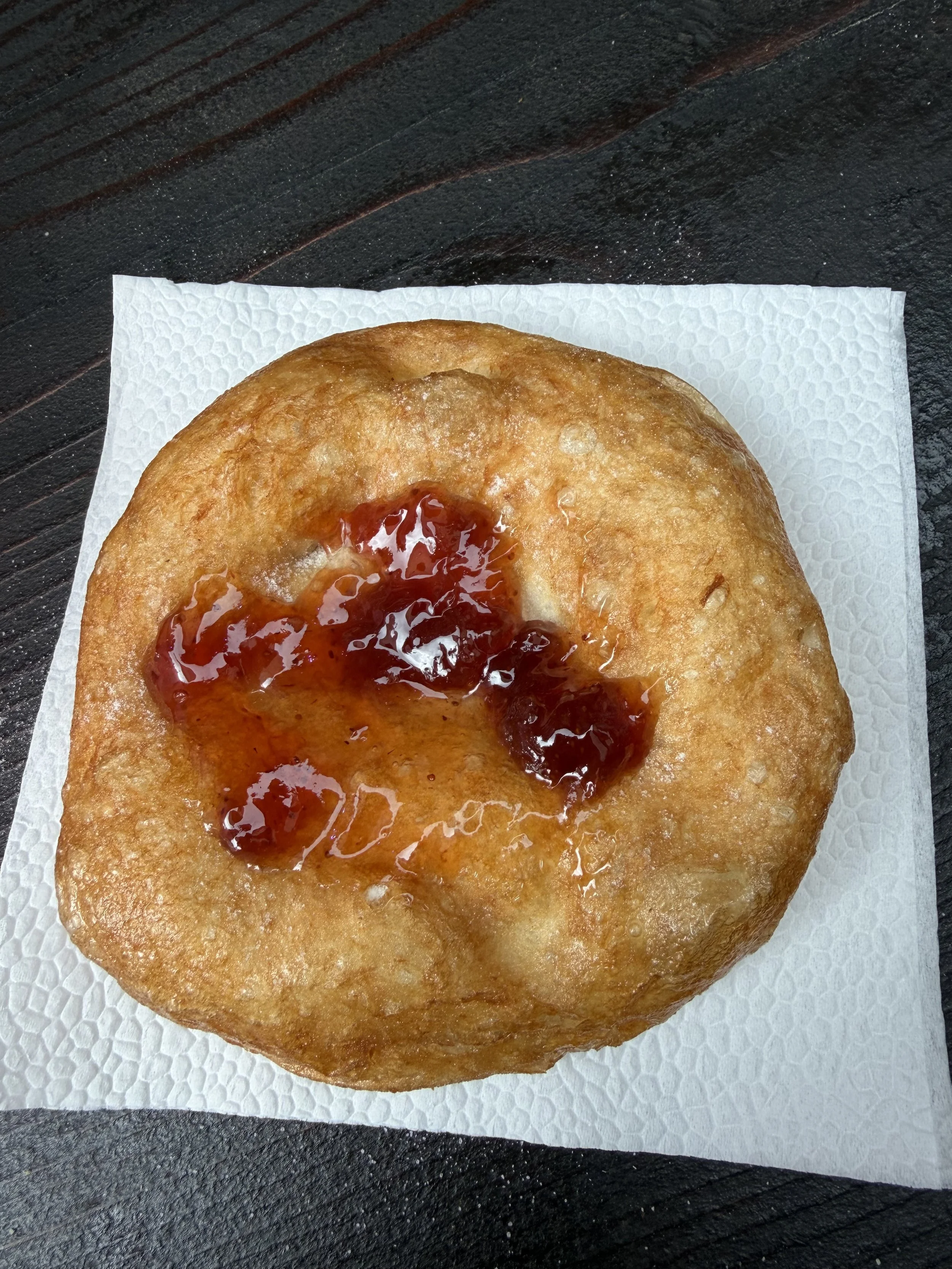
There was an option to hike to a cave, but we skipped it due to the cold weather and had lunch at one of the two small restaurants nearby. Then we headed back to Sofia on our tour bus.
Plovdiv
I think Plovdiv ended up being both of our favorite stops on the trip. It’s a slightly smaller and more slowed down city than Sofia.
We took the train from Sofia. Here’s our first class car:
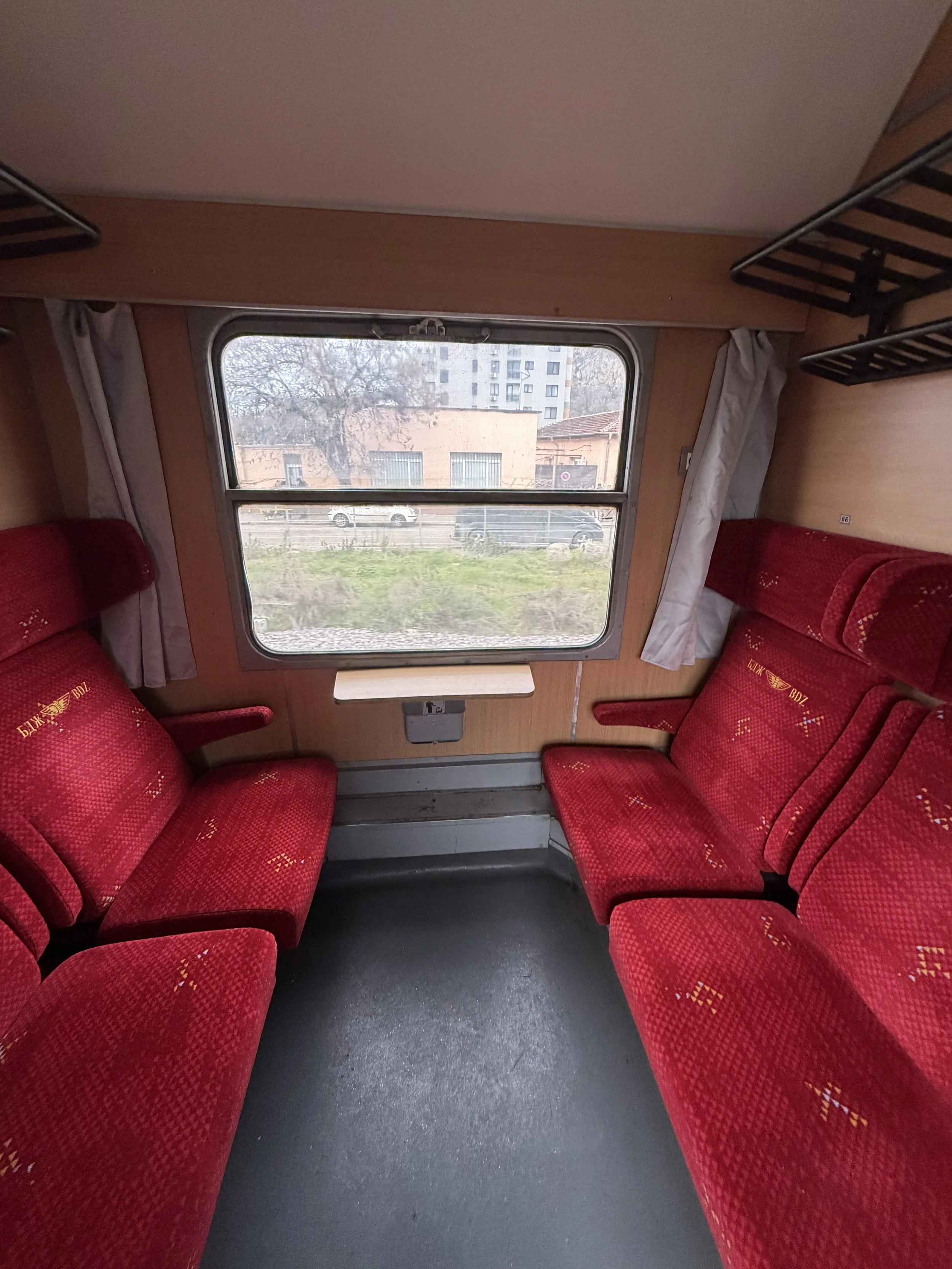
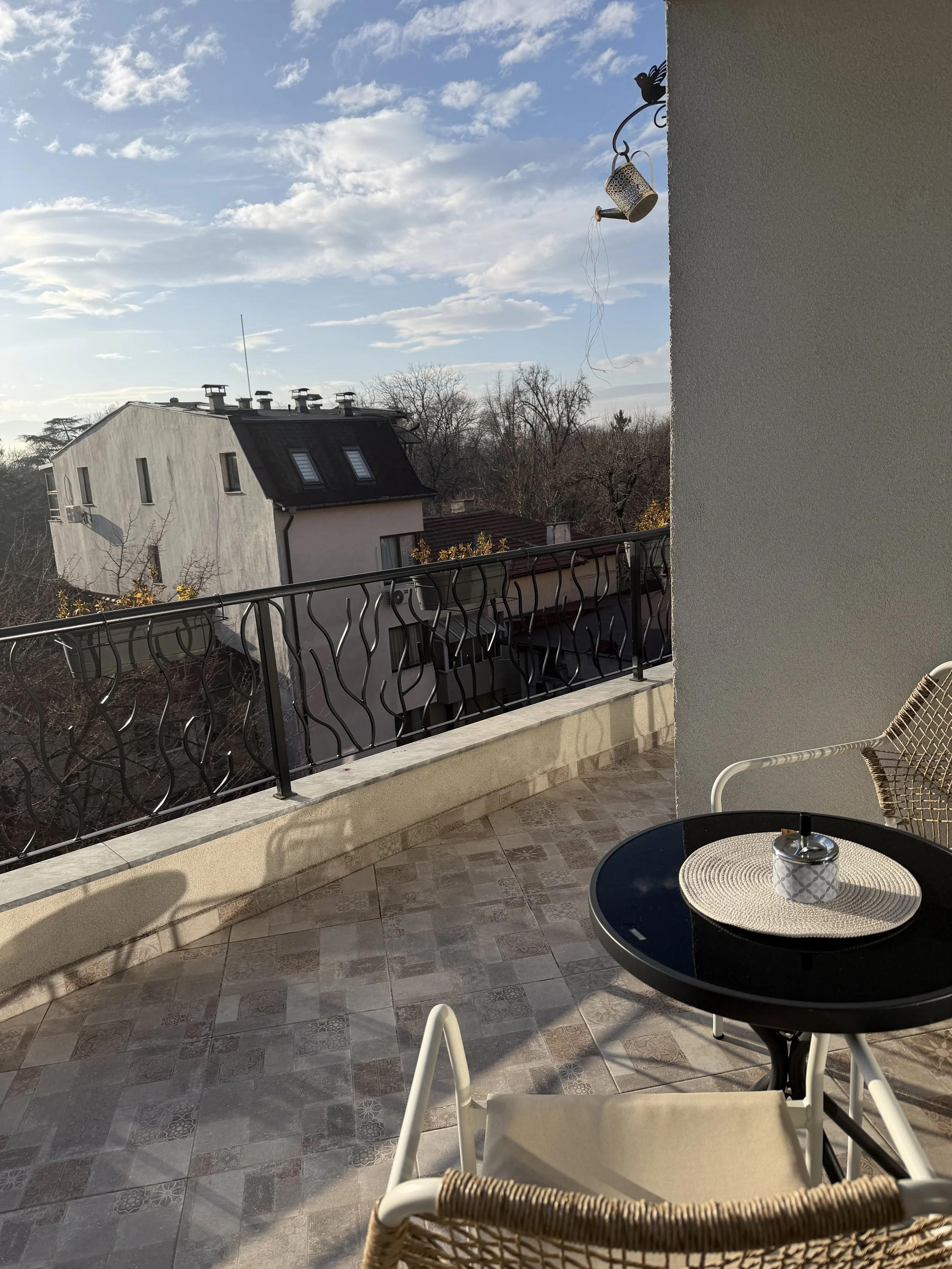
The weather was better for us here than in Bansko or Sofia. Even though it was January, the temperatures were pretty mild and in the 50s Fahrenheit. Our Airbnb was almost as nice as the one in Sofia, and it had a balcony:
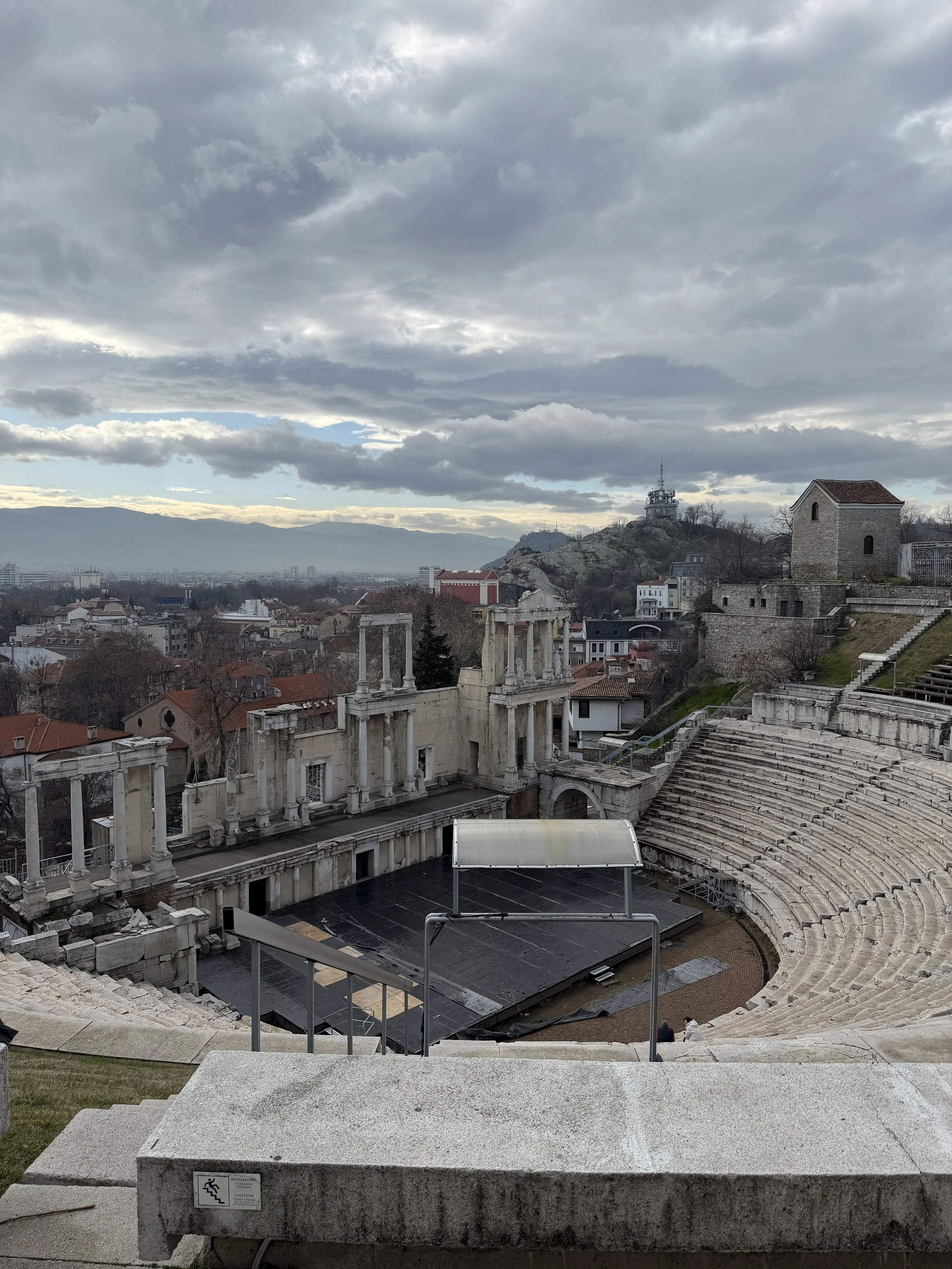
We took a free walking tour that revealed more of Bulgaria’s layers of history. Plovdiv is the oldest, continuously inhabited city in Europe. You can see more ruins of the Roman Empire under modern city streets. And an amphitheater that’s still in operation for summer concerts:
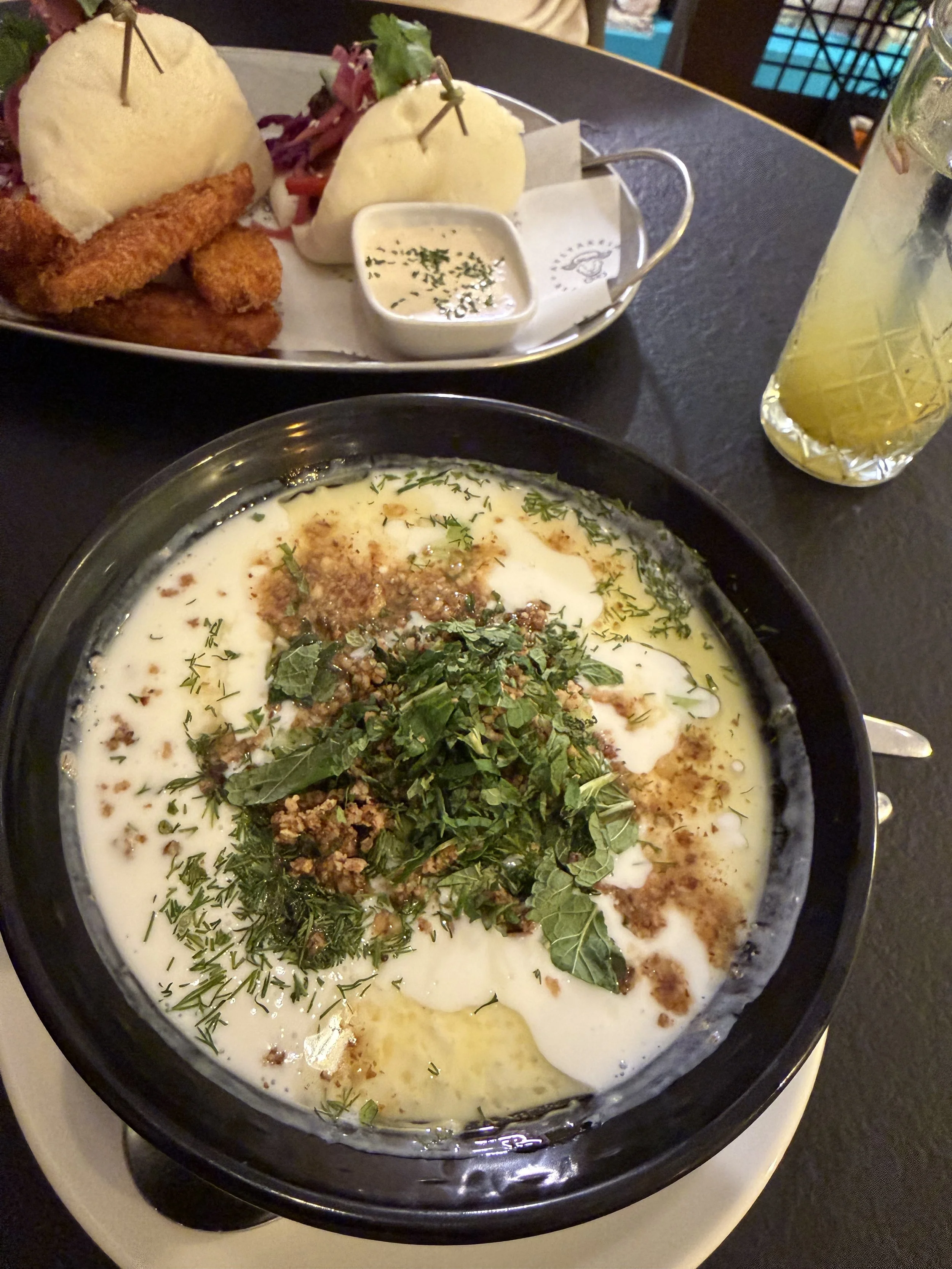
We ventured out of our Airbnb this time and tried a few restaurants. My favorite was Aylyakria gastrobar, where we tried tarator yogurt and cucumber soup. It was tasty.
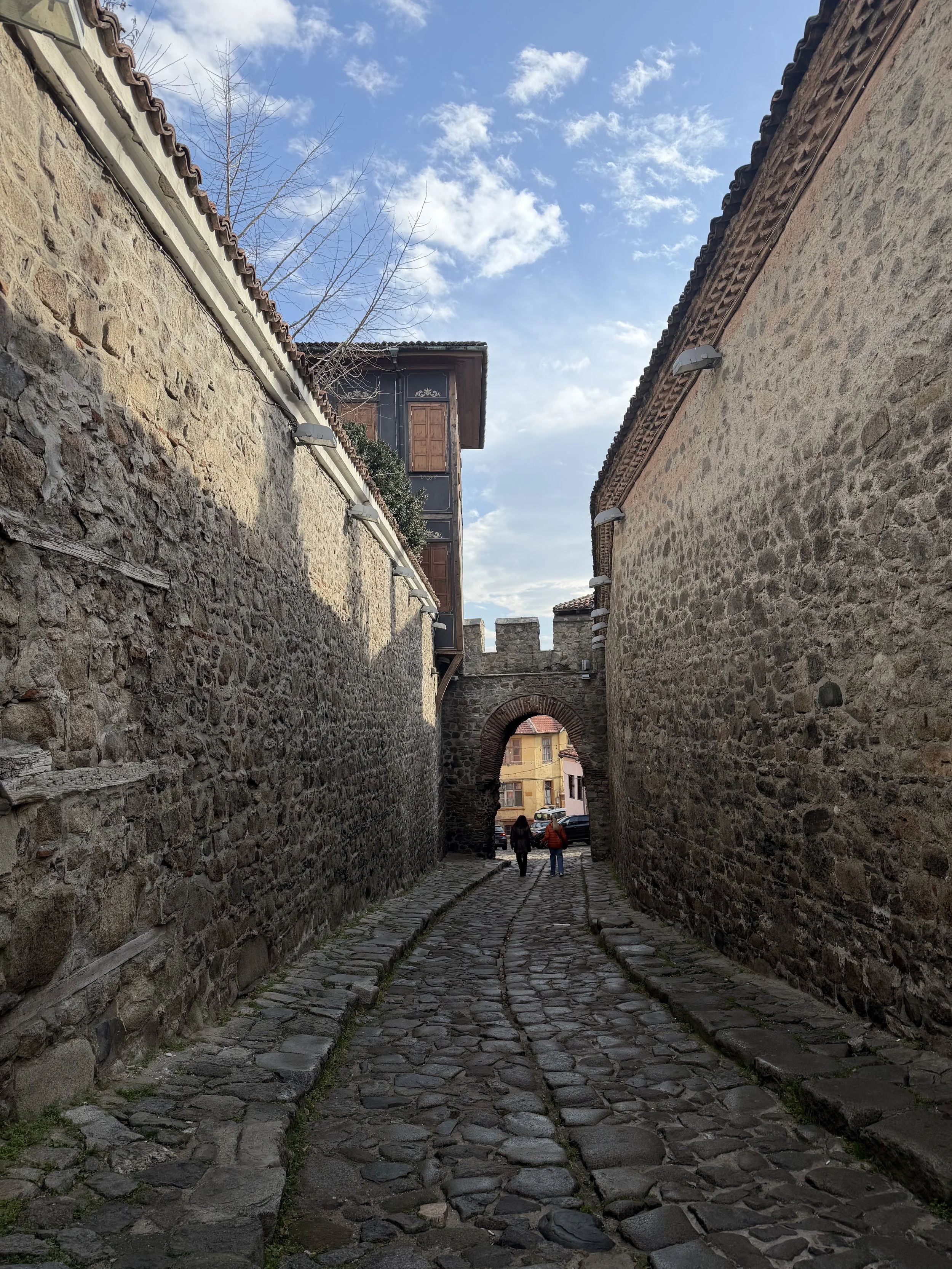
Overall, I thought Plovdiv was a much more charming and unique city than Sofia, and I’m glad we had the chance to spend some time there.
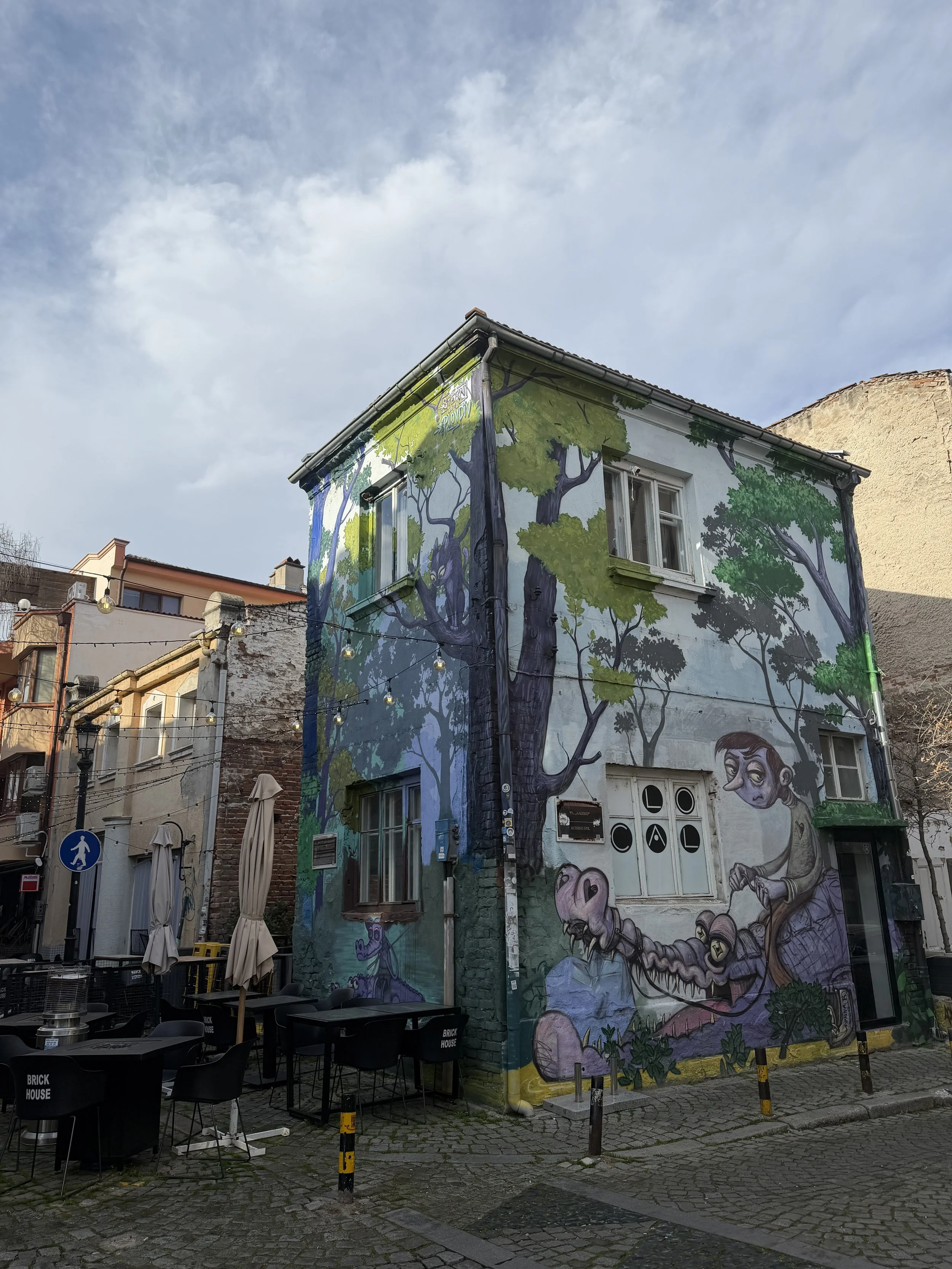
All things considered, we had mixed feelings about Bulgaria… Parts were very run down or stuck in the past, but other parts were a beautiful expression of the country’s history. I want to see as much of the world as I can, so of course it was worth it to see a new place and experience a different culture. If you’re interested in history or experiencing this part of the word, then I definitely think these three places are worth the trip.