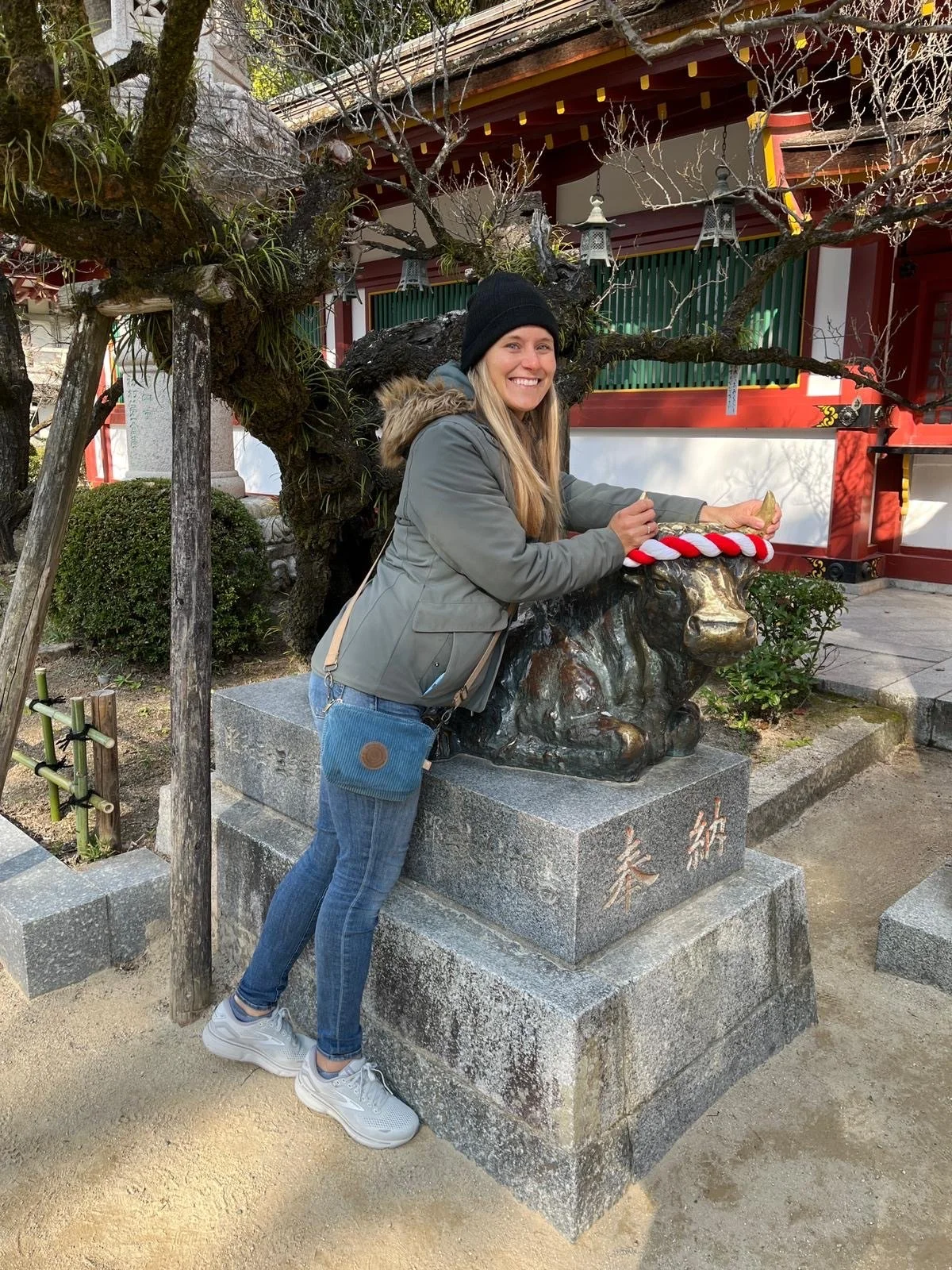
Learning Japanese in Fukuoka
This past December, I finally had the chance to use my AmeriCorps education grant to do something exciting. I’d been holding onto the grant for years – you have seven years since completing your service term to use the money – and I wanted to apply it to something special. It took some time and a lot of research investigating options, but I knew I’d found the right thing when I landed on IPSL. The IPSL program allows you to design custom learning and volunteer experiences abroad. Over the course of several months, I worked with the team at IPSL to land on the right program. I would study Japanese for two weeks in Fukuoka, Japan at a local language school and live with a host family.
I chose Fukuoka because I thought it would be less crowded than the more touristy destinations of Tokyo or Kyoto and because it’s close to the sea. I communicated a few times via email with my language program advisor and host mom before leaving, but I had no idea what I was getting into. There was a mix of thrill and nerves about the complete unknown. Right before the trip, I visited my dad in New York for Thanksgiving, and the next day he dropped me off at the train station to head to the airport. He probably thought he was done with the whole study abroad drop-off thing after college and grad school, but not so.
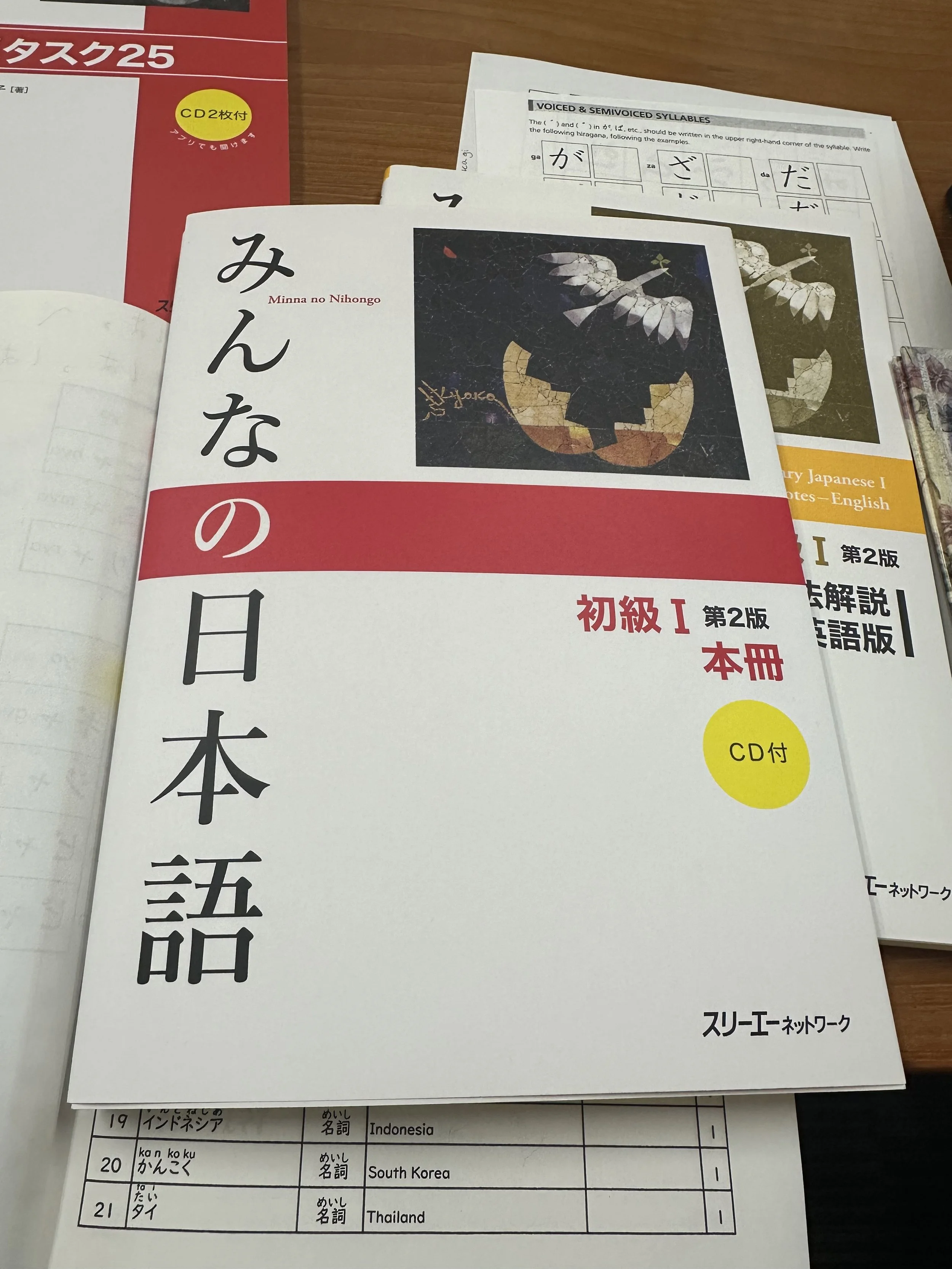
On the very long flight over, I realized how unprepared I was when I noticed for the first time that Japanese magazines are backwards (at least compared to Western books.) It made sense, but I probably should’ve figured that out earlier in life and definitely before I decided to commit myself to this period of language learning. Other than memorizing my alphabet flashcards and a bit of Duolingo, I didn’t speak any Japanese.
But when I landed in Tokyo, this was my first view, so I still felt pretty good about my choices:
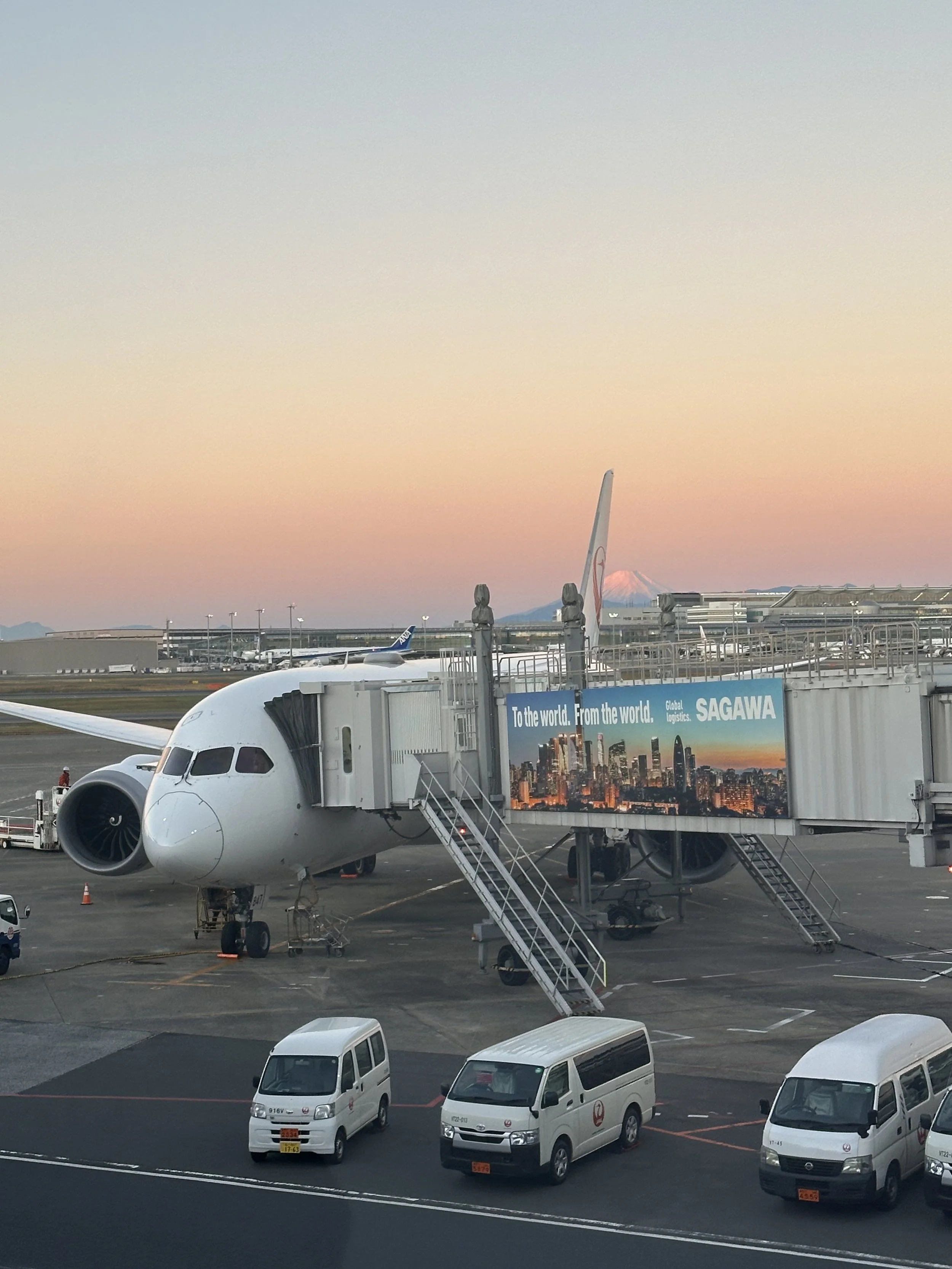
I ate my first salmon onigiri while I waited for the next flight to Fukuoka.
Once I landed, my host mom found me right away. She spoke a bit of English from when she lived abroad in England many years ago, so that made things easy. We waited to pick up my roommate, whom I learned would be a 65-year-old woman from Belgium who had recently retired and was going off on adventures around the world. Very cool!
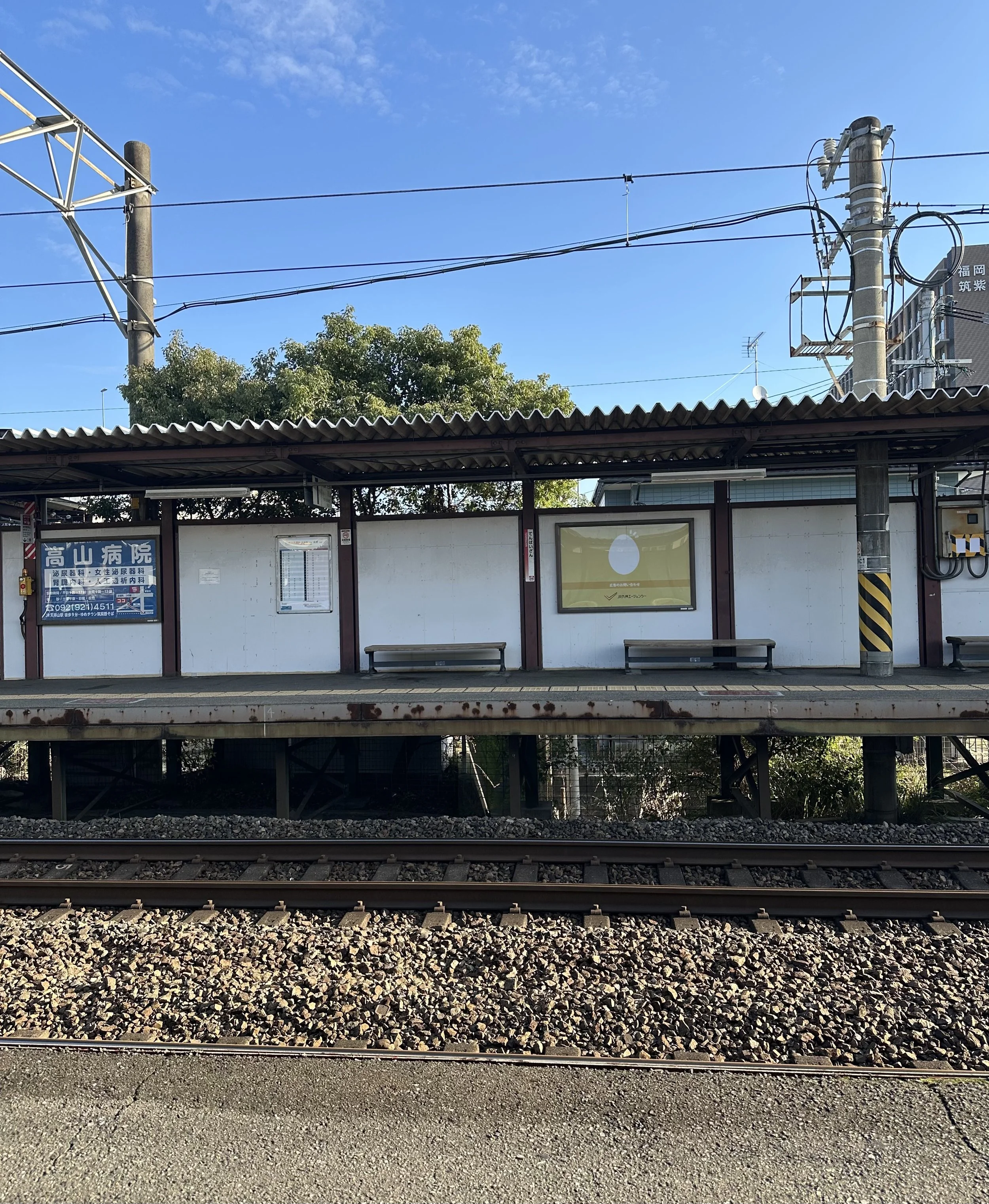
Our host mom drove us home, then showed us the walk to the train station and how to get IC cards that we’d use to pay for transportation.
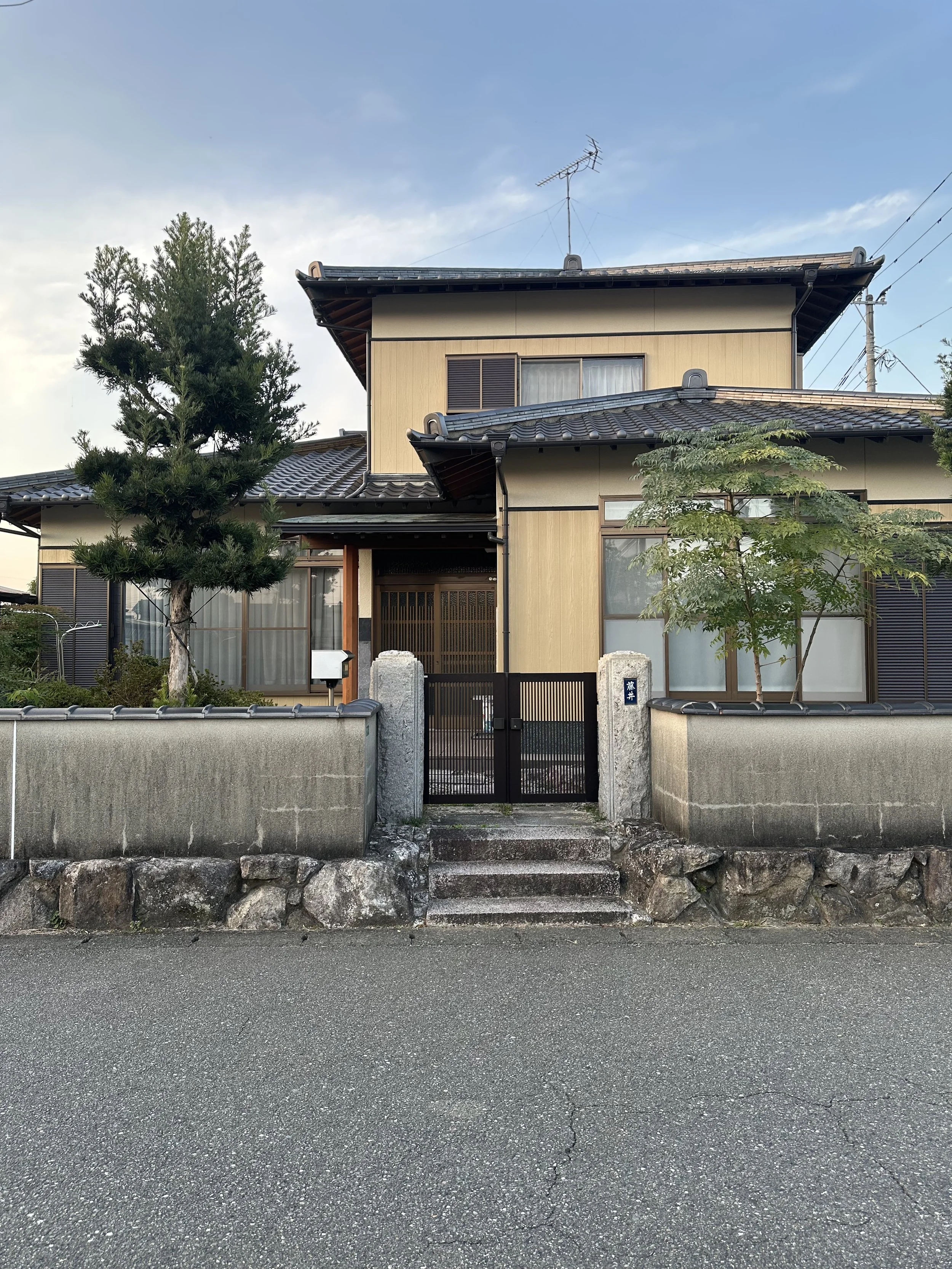
We lived in a large (very large by Japanese standards!) suburban house in a quiet neighborhood outside the city of Fukuoka. it was about a 15 minute walk and a 30 minute train ride to school. The school was Genki Japanese and Culture School (called Genki-JACS), which is very close to the landmark Hakata Station in downtown Fukuoka.
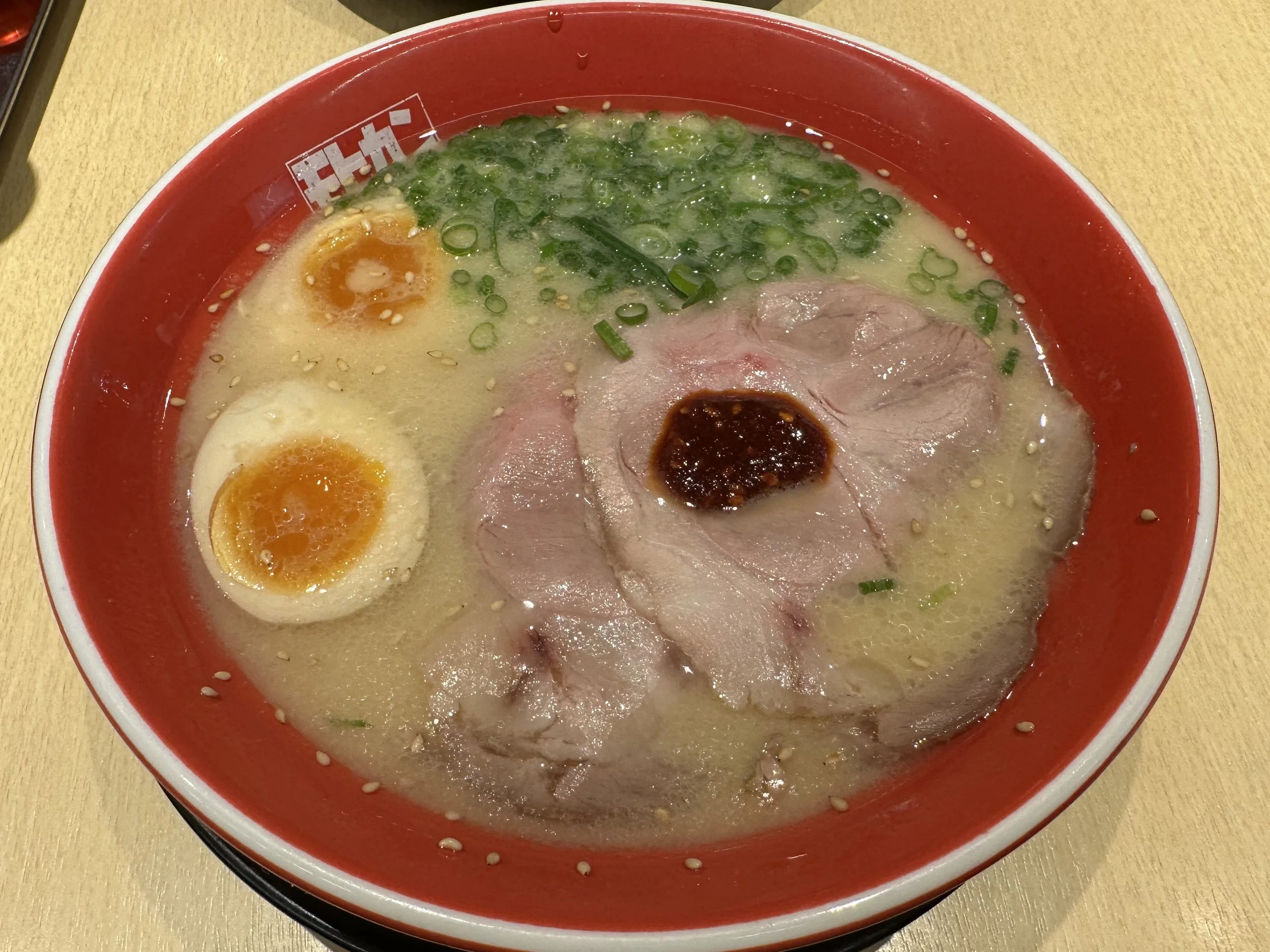
On our first day, one of the teachers took us on tour of the station and pointed out different options for lunch. I tried my first authentic (and amazing!) ramen and met some of my classmates. I was surprised to find that most of them were travelers in their mid-30’s, like me. I was expecting college students, but there were also moms, retirees, teachers on holiday, and even a few teenagers. The classes were short, 50-minute sessions with breaks in between and a different teacher for each session. There were sessions focused on reading, writing, grammar, and conversation, and everything took place completely in Japanese. It was quite rigorous, especially while trying to work my normal job in the mornings and late at night, but I guess that’s what you get when you sign up for an intensive language program.
The day ran from about 11 to 4pm, which was probably my only disappointment about the program. We didn’t have much time off to explore the city and our commute was pretty long. But we had some time for fun excursions on the weekends, and I wouldn’t have traded the opportunity for staying in dorm or apartment, which was an option some of the other students chose.
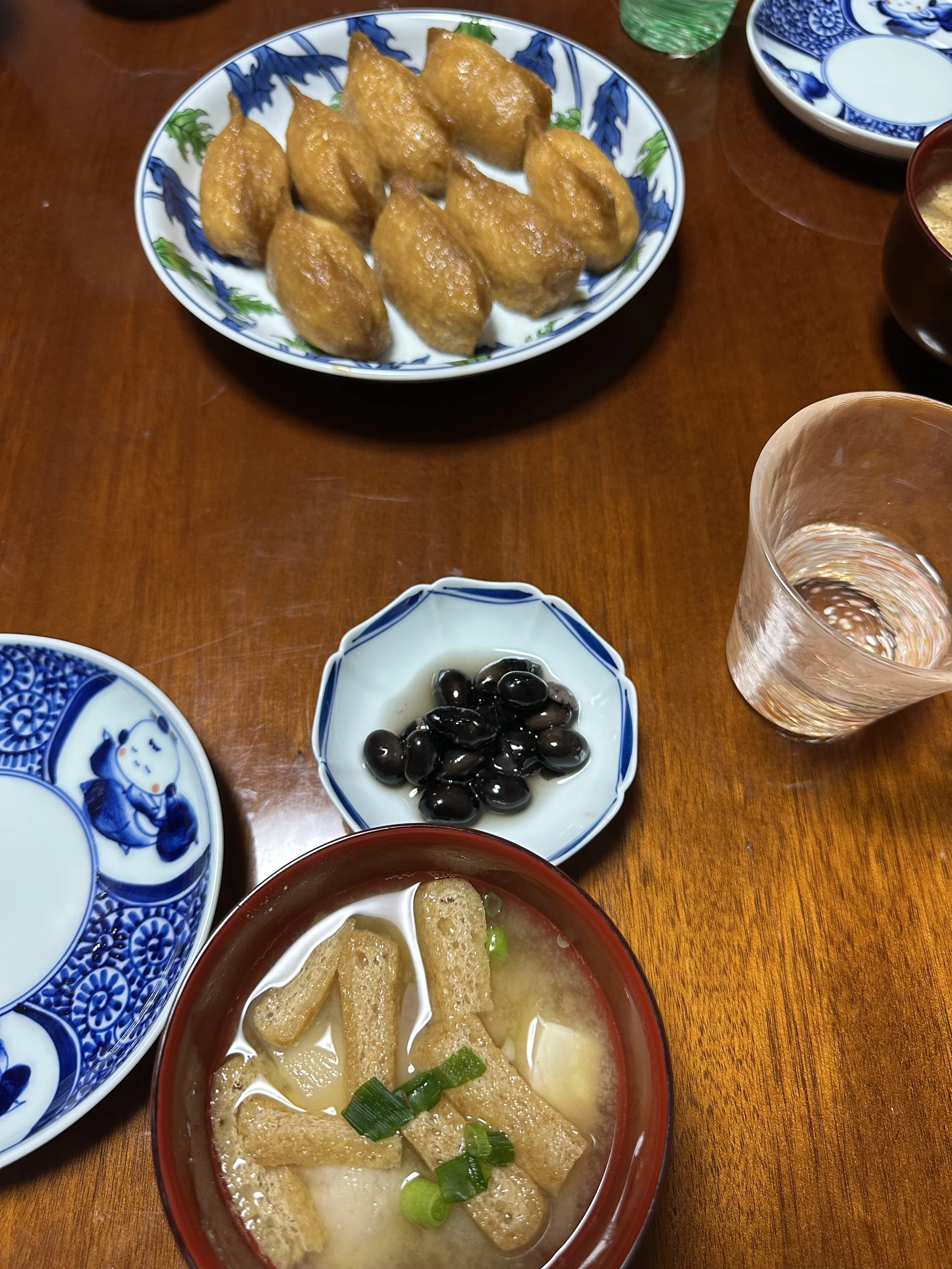
I learned a ton during the two week period, not only from the language classes, but also from unmatched Japanese hospitality. Our host mom introduced us to different foods and put together some new, delicious dishes every single night. I learned how to make and sleep on a futon bed and experimented with all the magical functions of Japanese toilets. I remembered how to study and eventually picked up enough of the language to introduce myself, order at restaurants, and ask a few important questions that would come in handy for the next part of the trip (road trip!)
Overall, I’m really grateful for the experience and glad I was able to find the space between life and work for it to happen. I hope to return to Japan again someday and I’ll always have very special memories from this particular learning experience.
Sayonara for now! I will share some more about our Japan road trip in a future post.