

Three Places to Visit in Bulgaria
Describing our visit to Sofia, Plovdiv, and the Rila Monastery during winter in Bulgaria.
To start this year, we took a trip to Bulgaria. I’ve already written a post about skiing in Bansko, so I won’t include that here. But we spent about a week visiting three other places that I’ll talk about in this post: Sofia, the Rila Monastery, and Plovdiv.
Our flights and all of our travels were in and out of Sofia. We found that this made the most sense since we were relying on public transportation instead of renting a car. It was usually more time efficient to return to Sofia than to take trains between places. We flew into Sofia, took a private taxi to Bansko, then came back to Sofia for a couple of nights. Next, we did a day tour to the Rila Monastery and later took the train to Plovdiv. Going back and forth to Sofia might not have been the most sensible itinerary looking at a map, but it matched with the train schedules and what we wanted to do with our days off work.
Sofia
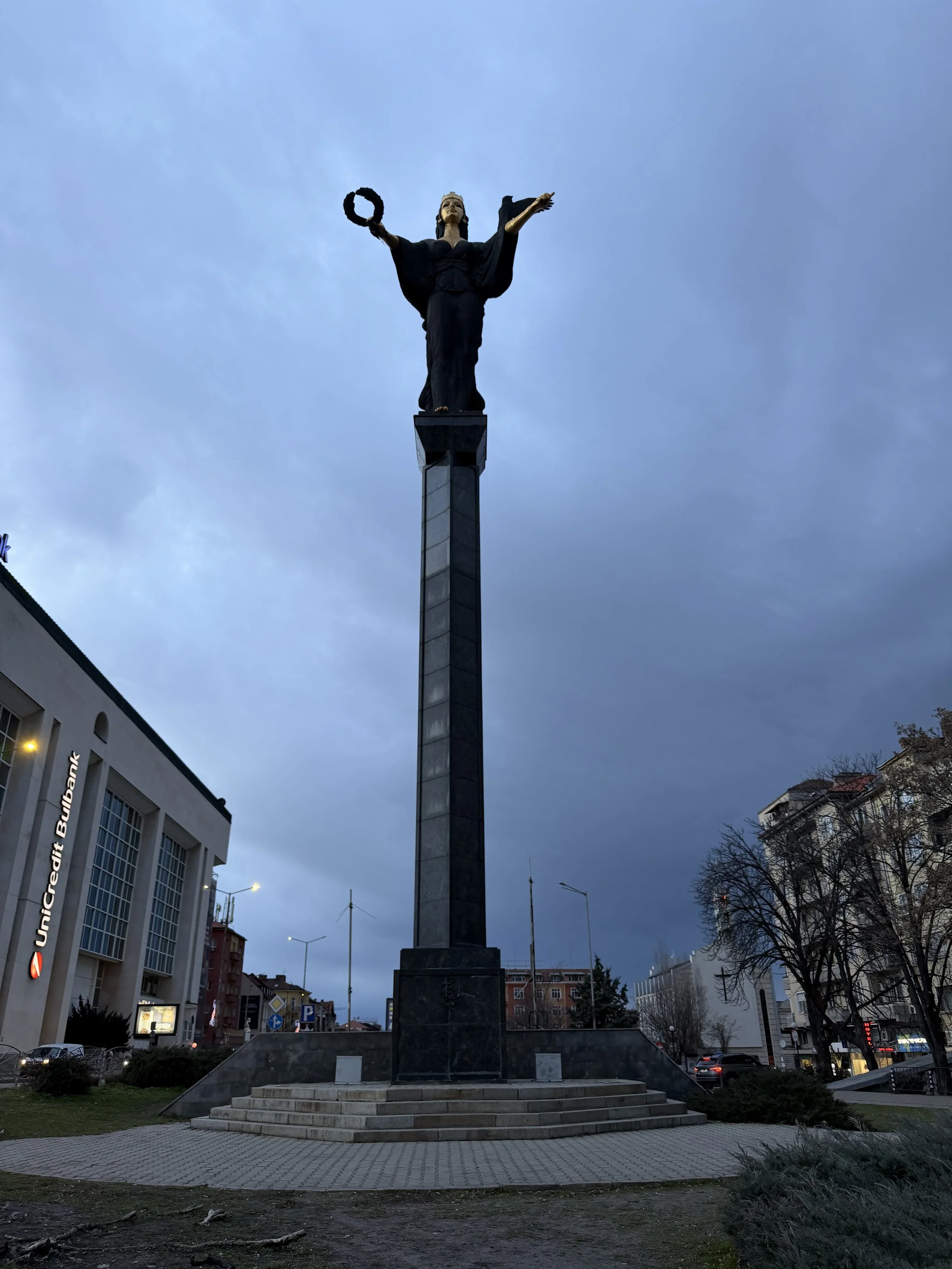
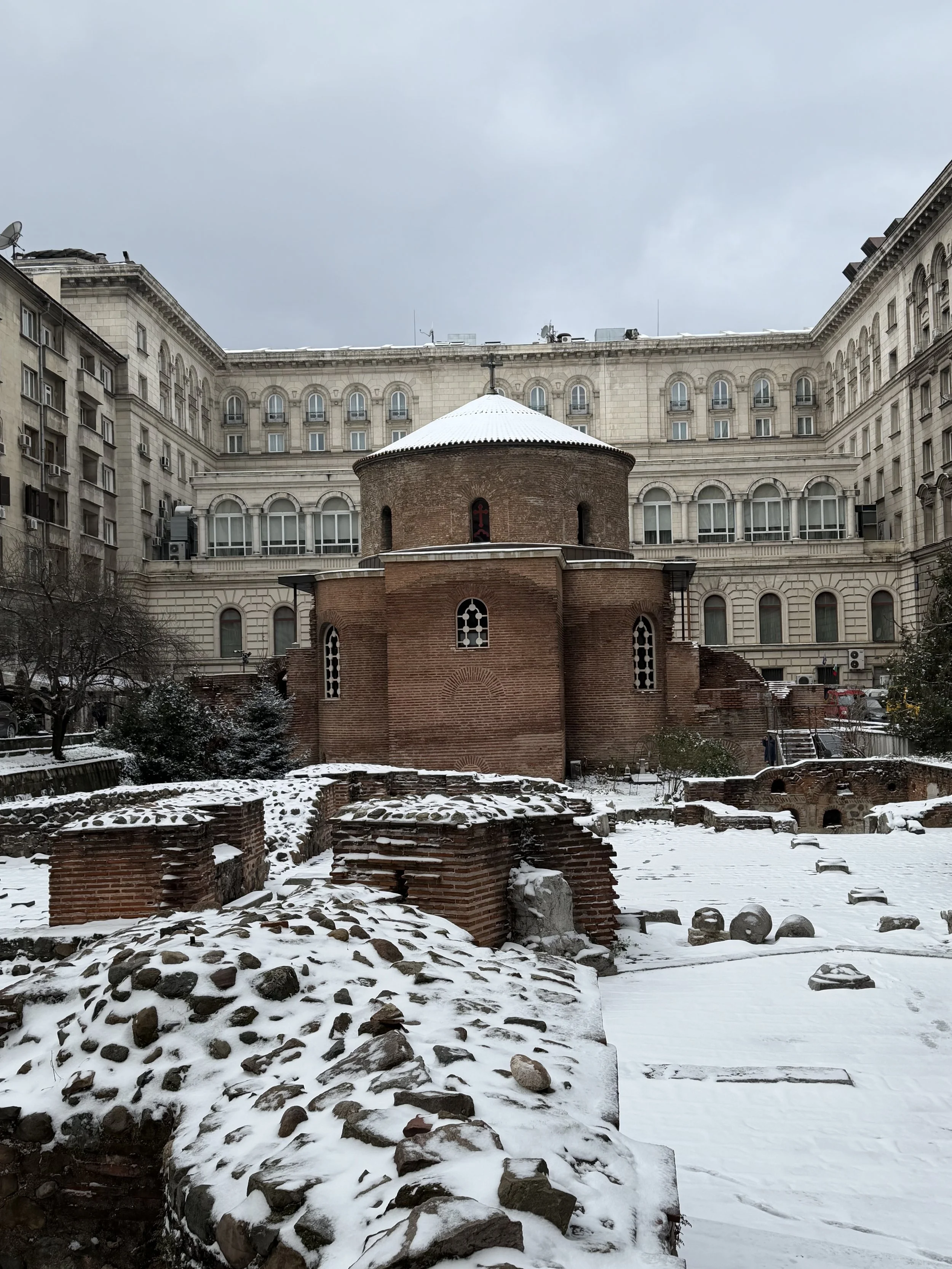
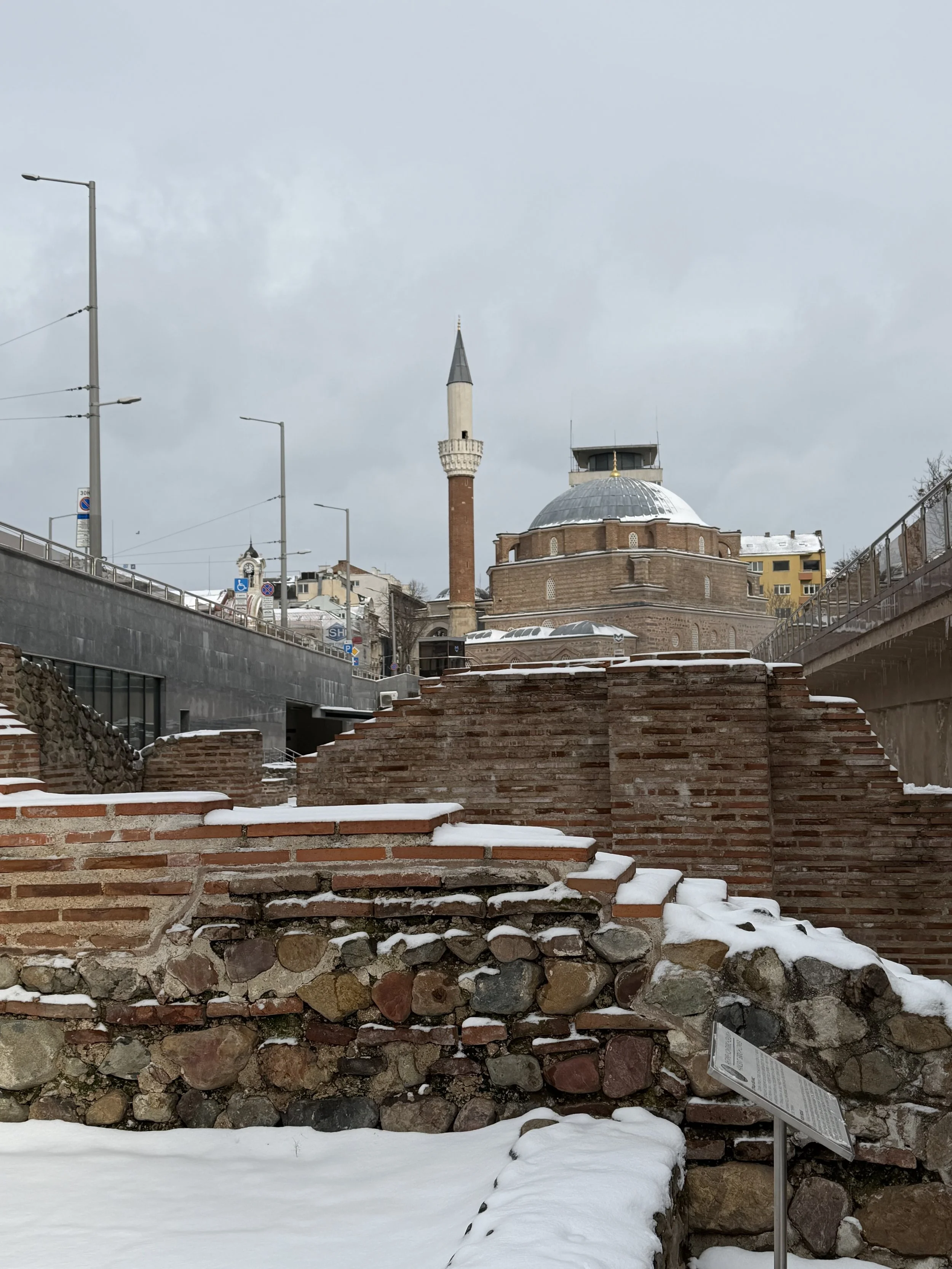
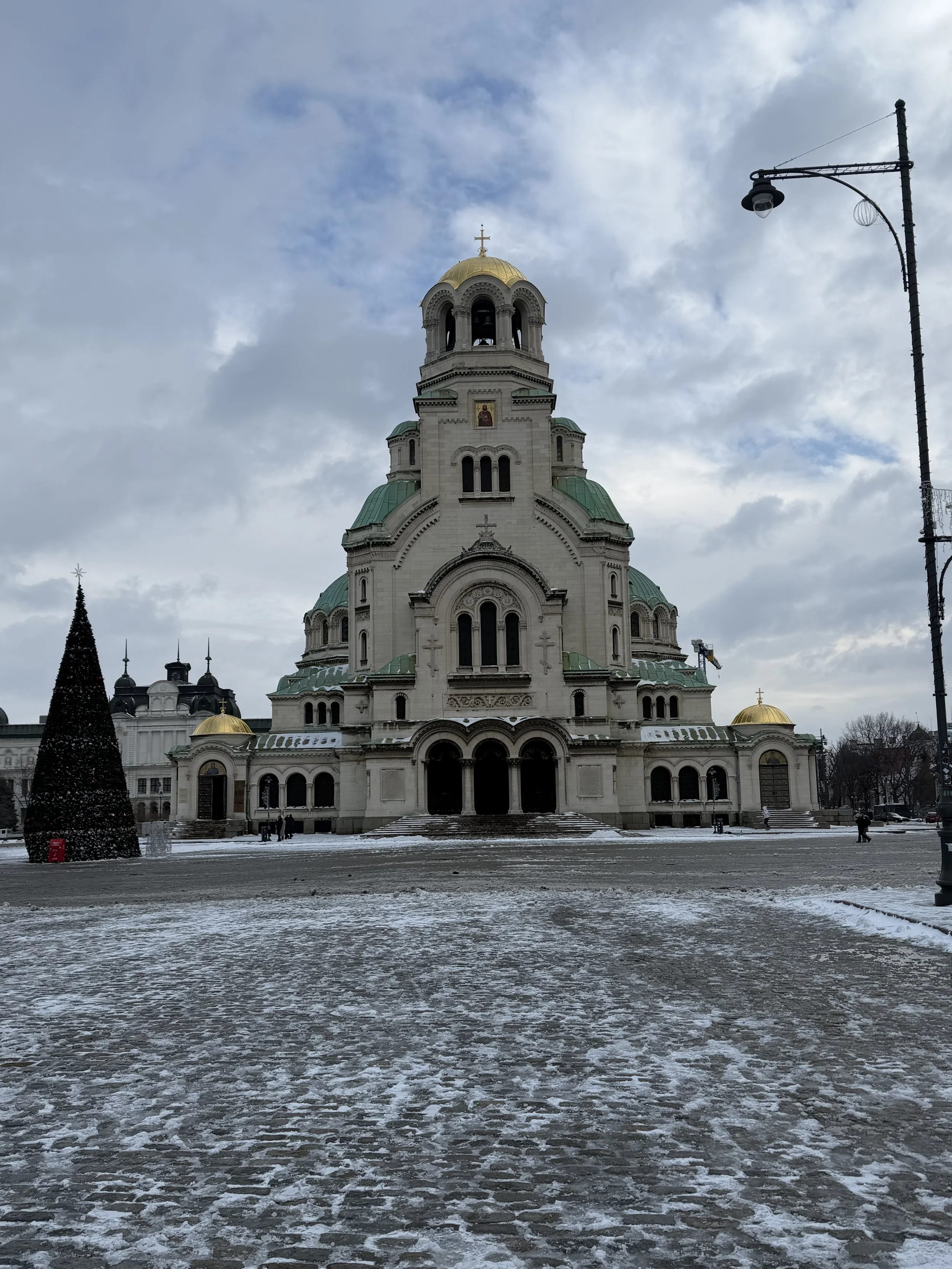
We spent about four nights in Sofia in total. On the surface, it wasn’t too much different from other western European cities, with modern cafes, international cuisines, landmarks, museums, and things to do. But on my last day, I took a free walking tour that revealed the rich history of the city. There were layers leftover from the Romans and the Ottomans that create a really interesting blend of architecture and ruins. It snowed that day, and it was pretty to see the city dressed in white—though I was completely frozen!
We were a little lazy about going out to eat in Sofia because we’d gone out a lot in Bansko, so we got takeout a few times and even tried the McDonalds (we don’t usually eat American fast food, but we like to see the unique items in other countries!) I have to say, it was our best international McDonalds yet. I also ate at 718 Breakfast & Brunch twice in one day since my Bulgarian coworker recommended it, and it was a nice cozy shelter from the snow.
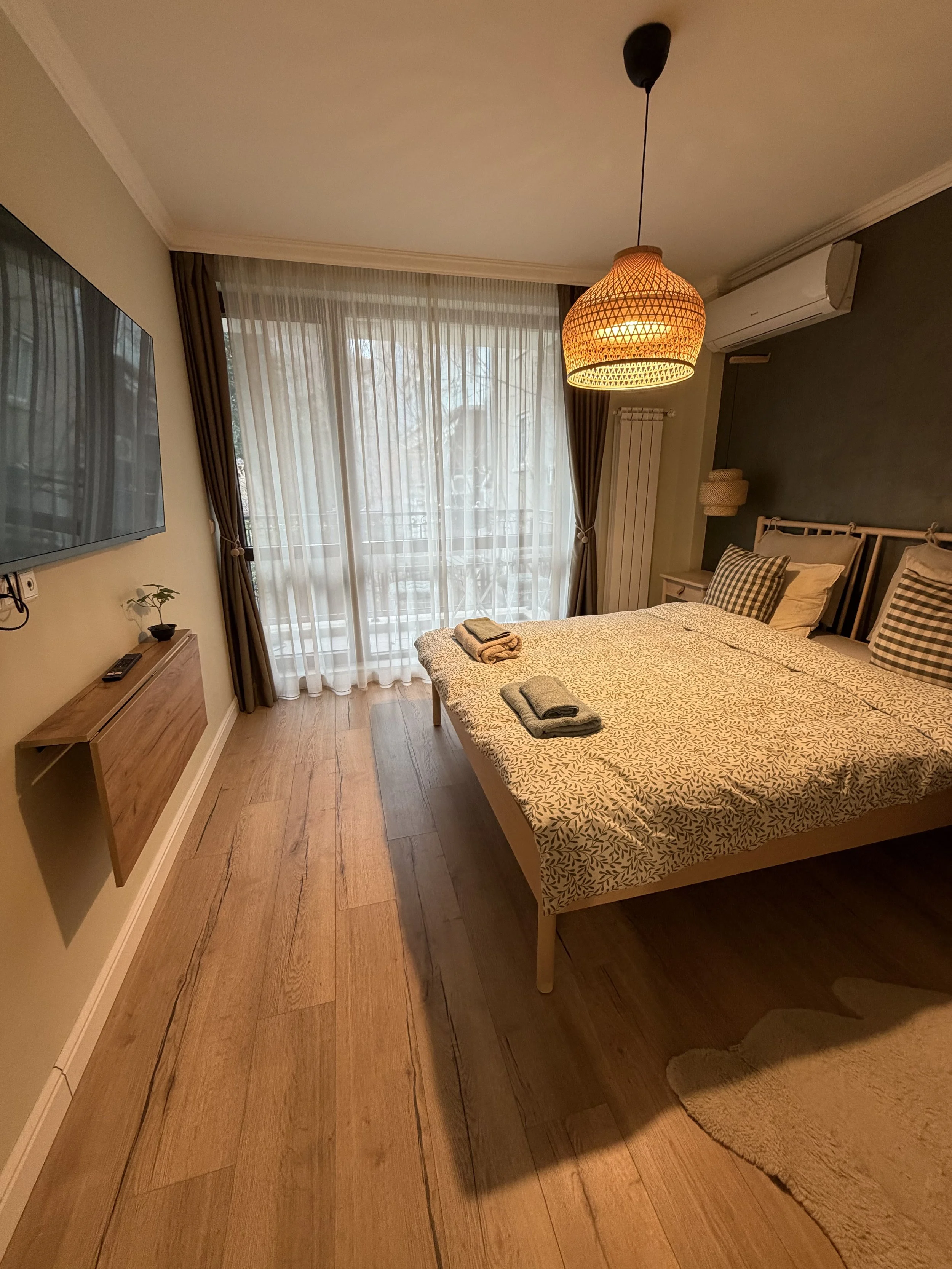
Our Airbnb was so nice, we almost never wanted to leave it:
We also visit the Red Flat, a museum/apartment decorated to show what everyday life was like in communist Bulgaria. The household actually didn’t seem too different from growing up in the late 80’s or early 90’s in the U.S.—there was a rotary phone and a vinyl record player for the Gen Z-ers to wonder about. The main things that were different were the travel restrictions and work policies.
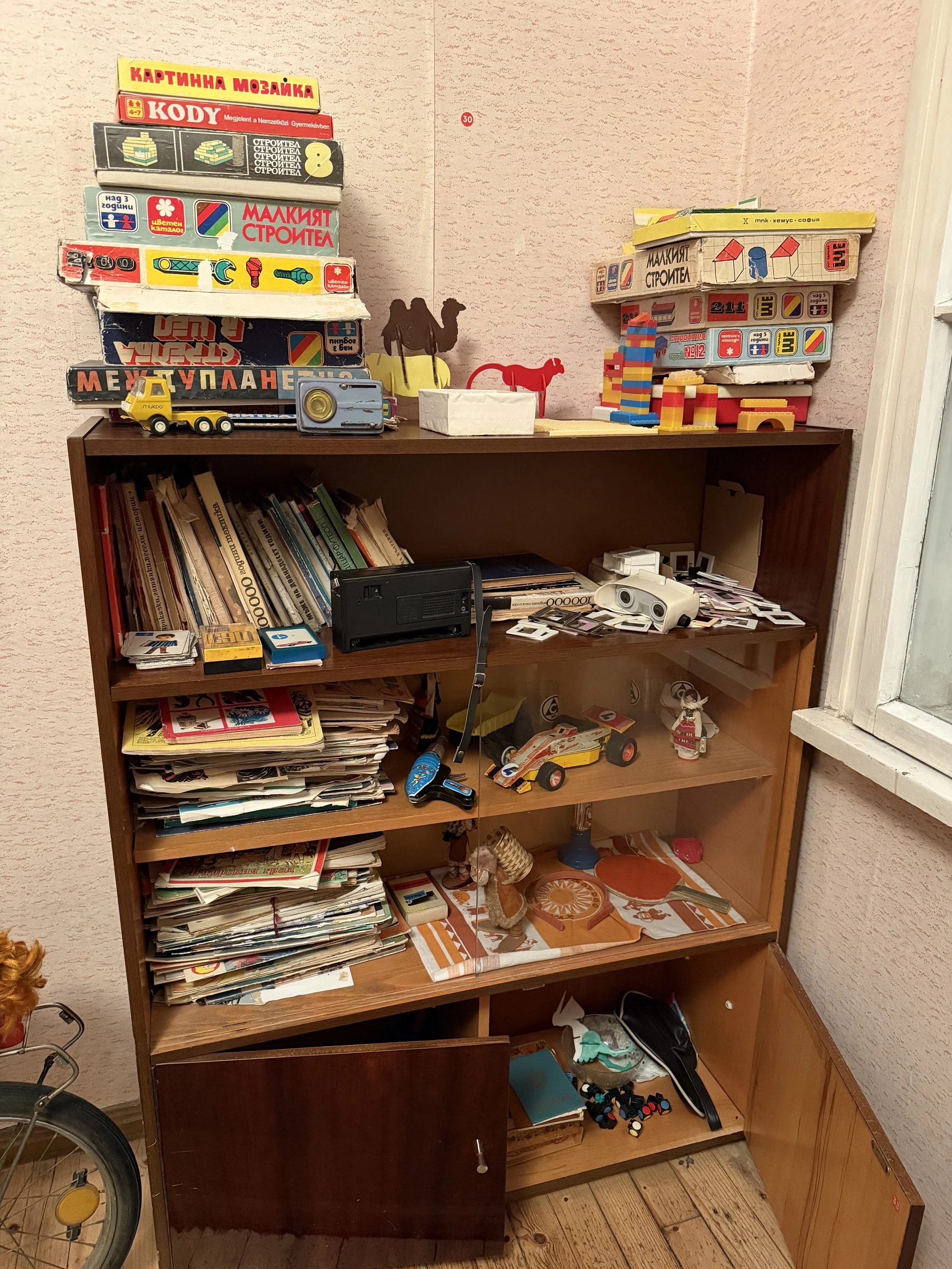
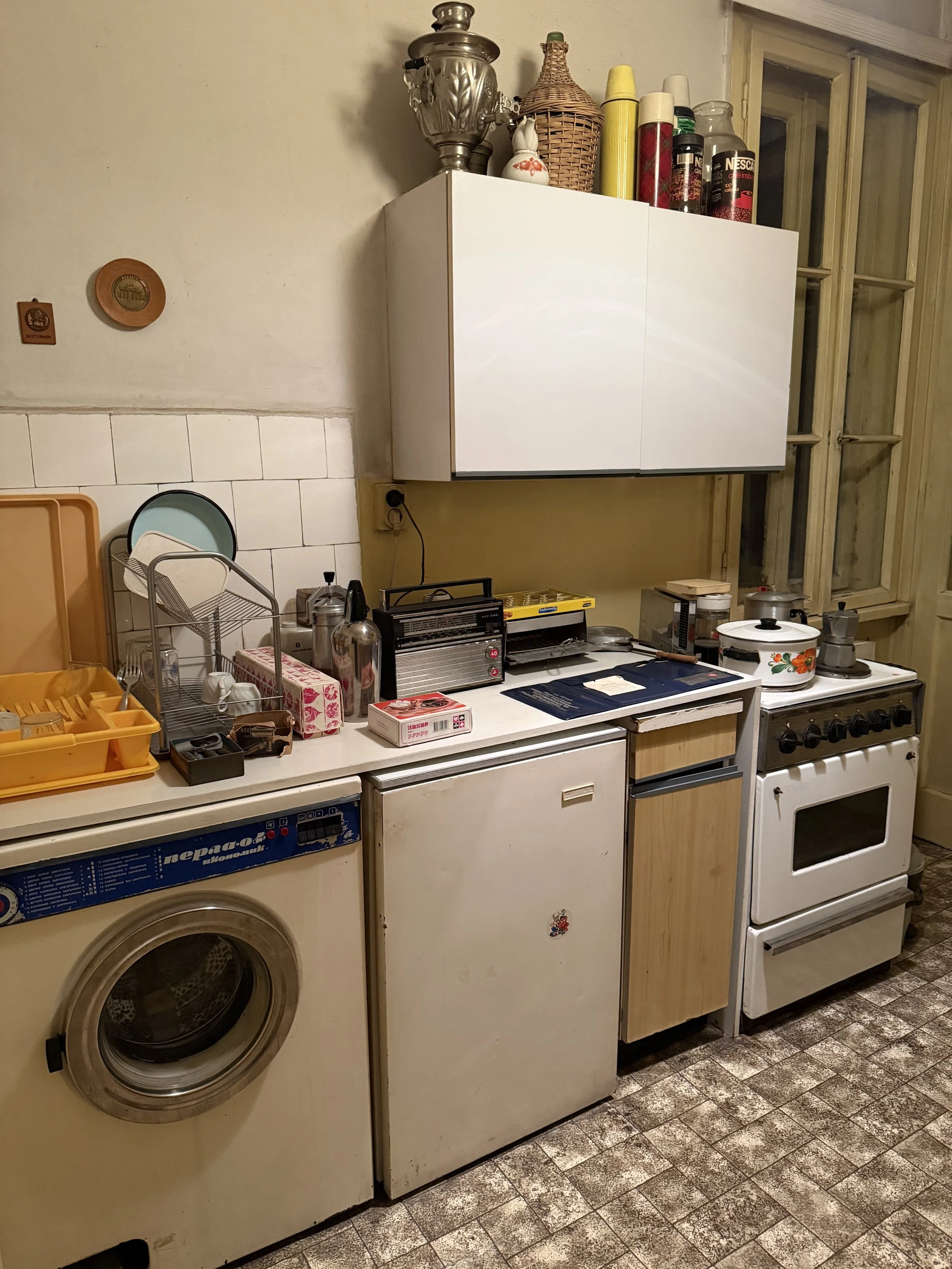
Bulgaria has gone through some tough times since the fall of communism, and it was apparent in some parts of Sofia. Areas like the train station were really run down and there was graffiti everywhere. But for the most part, it was similar to other European cities I’ve visited and it was interesting to learn the history and see the leftover relics of time.
Rila Monastery
From Sofia, we took a day tour to visit the beautiful Rila Monastery, which also included a stop at the much smaller Boyana Church. It was about a 2 hour bus ride from Sofia, stopping at the small church along the way:
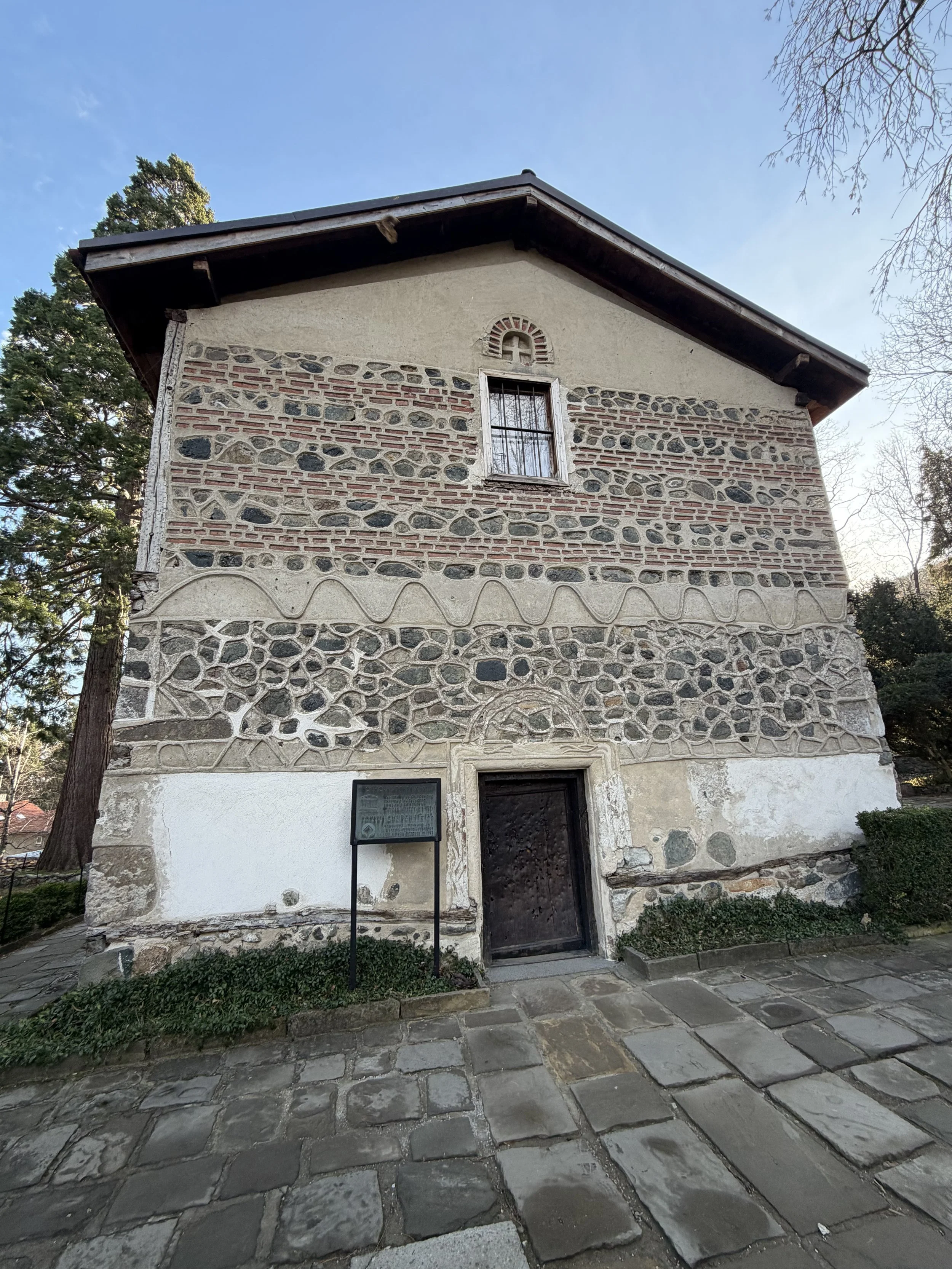
It doesn’t look like much from the outside, but there are some very old and beautiful images painted on the inside.
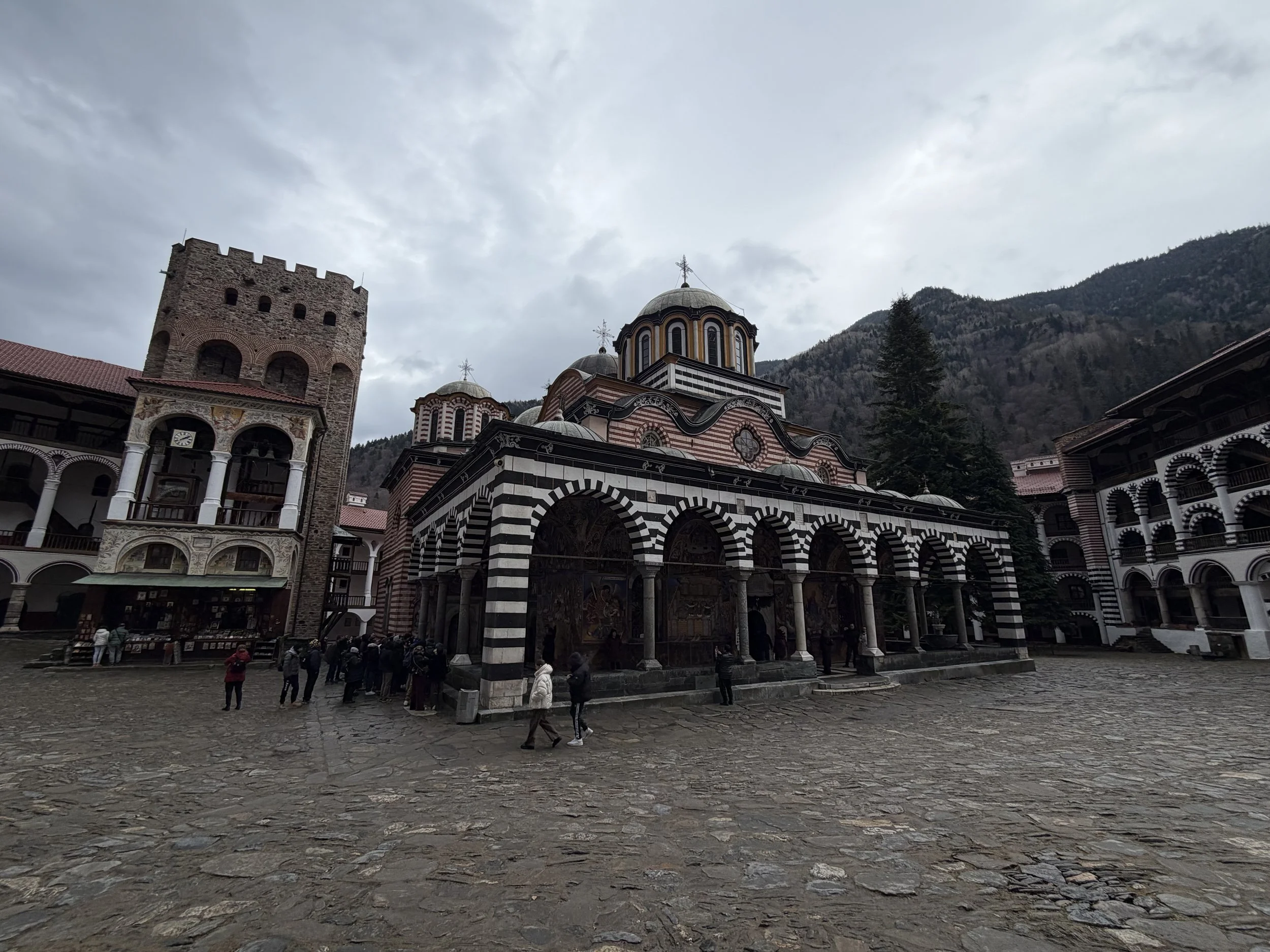
After a short stop, we headed to the Rila Monastery. On our tour, we learned about the monastery’s operations and history throughout the centuries. It’s still active and you can even stay there as a hotel (we chose to return to our nice warm Airbnb in Sofia!)
The paintings around the outside of the main church are amazing:
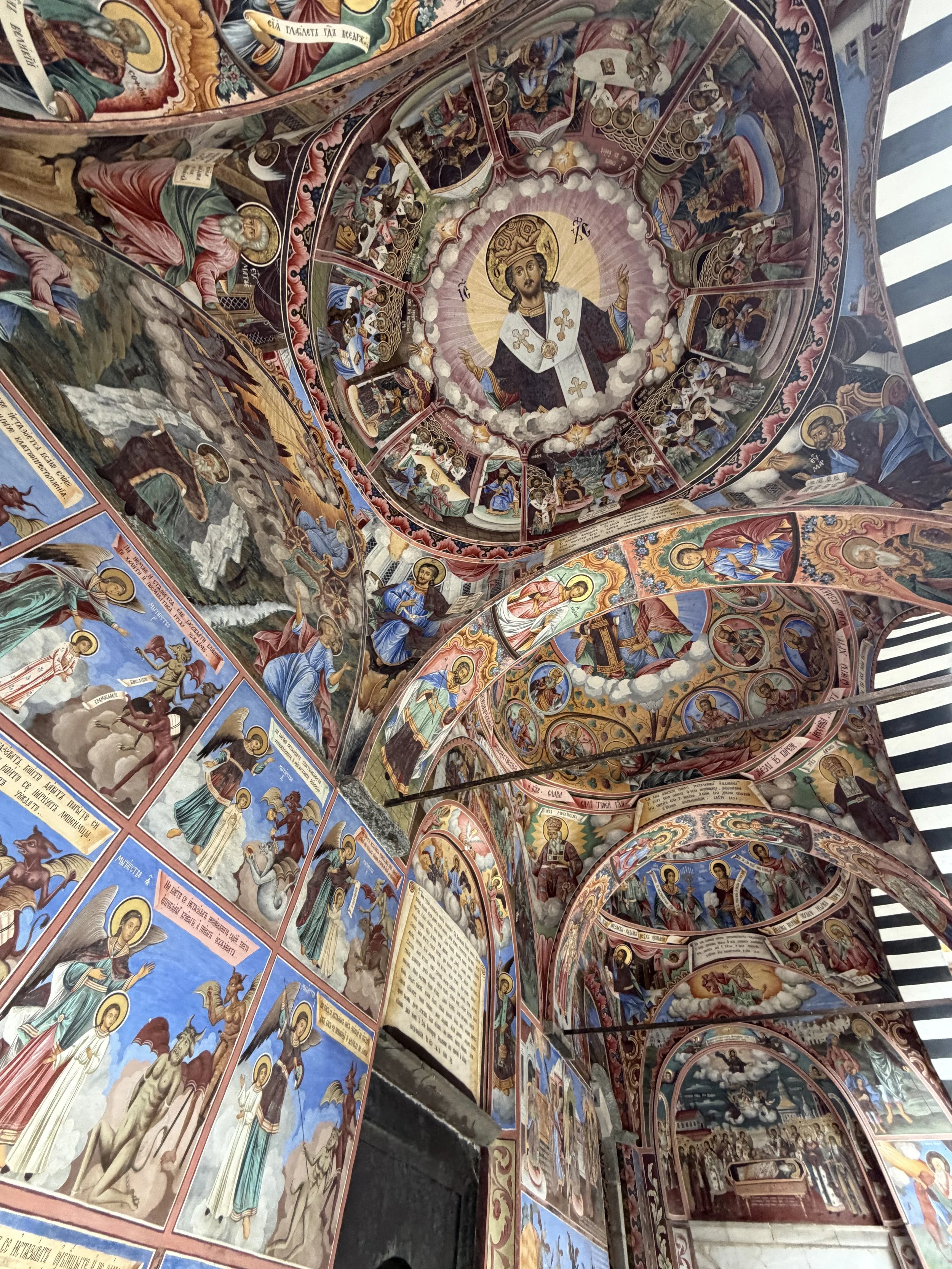
The striped arches reminded me of visiting the Cordoba Cathedral in Spain. You’re not supposed to take photos inside the church, but it was quite ornate and impressive. We took the audio tour to learn more about each area of the monastery.
However, as much as I enjoy learning about history and beautiful churches, my favorite part of the whole experience was waiting just outside the monastery… at the bakery! We sampled some of the best of Bulgarian cuisine, mekitsas, which are basically fried dough with jam and powdered sugar. Yum!
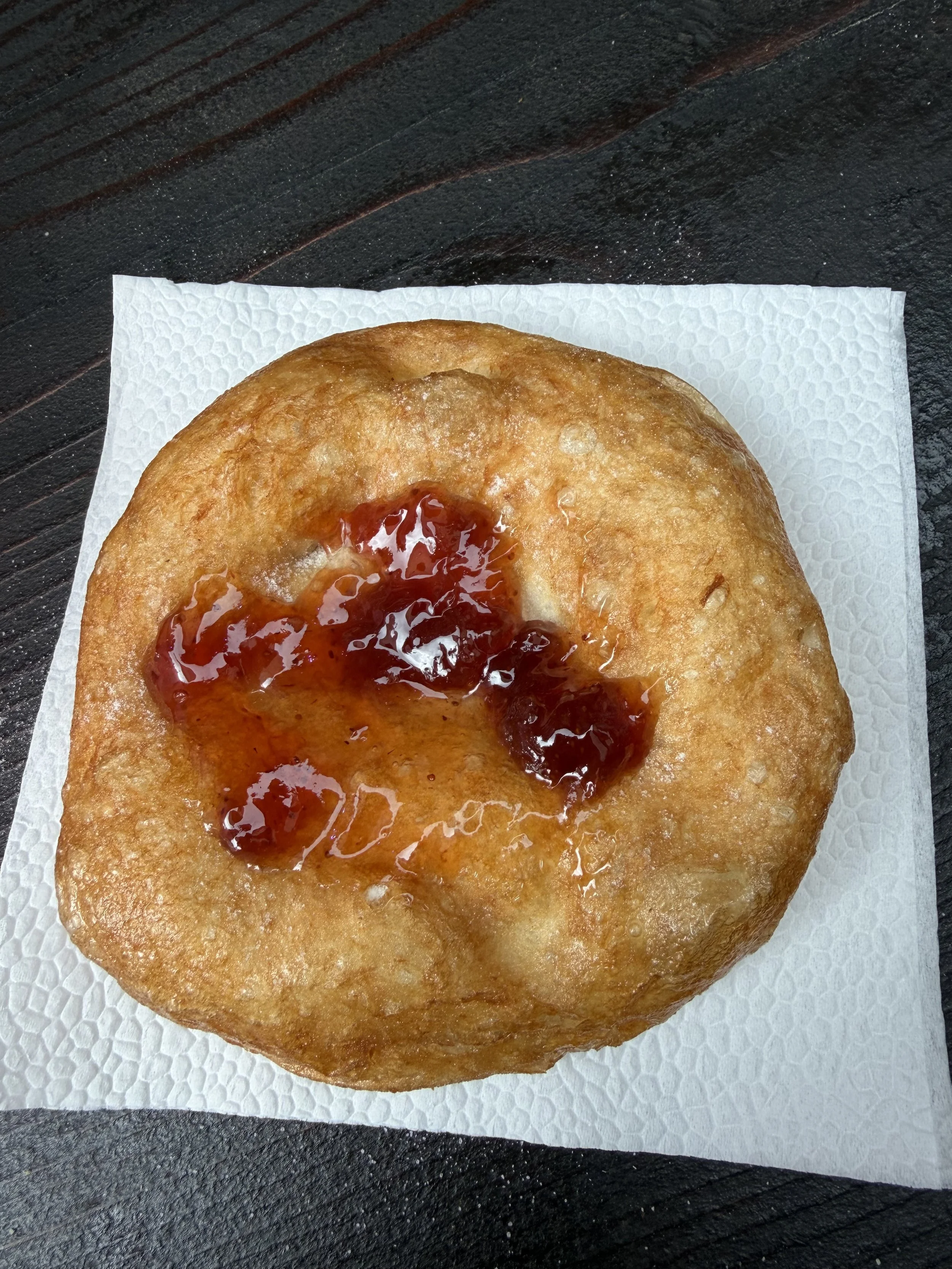
There was an option to hike to a cave, but we skipped it due to the cold weather and had lunch at one of the two small restaurants nearby. Then we headed back to Sofia on our tour bus.
Plovdiv
I think Plovdiv ended up being both of our favorite stops on the trip. It’s a slightly smaller and more slowed down city than Sofia.
We took the train from Sofia. Here’s our first class car:
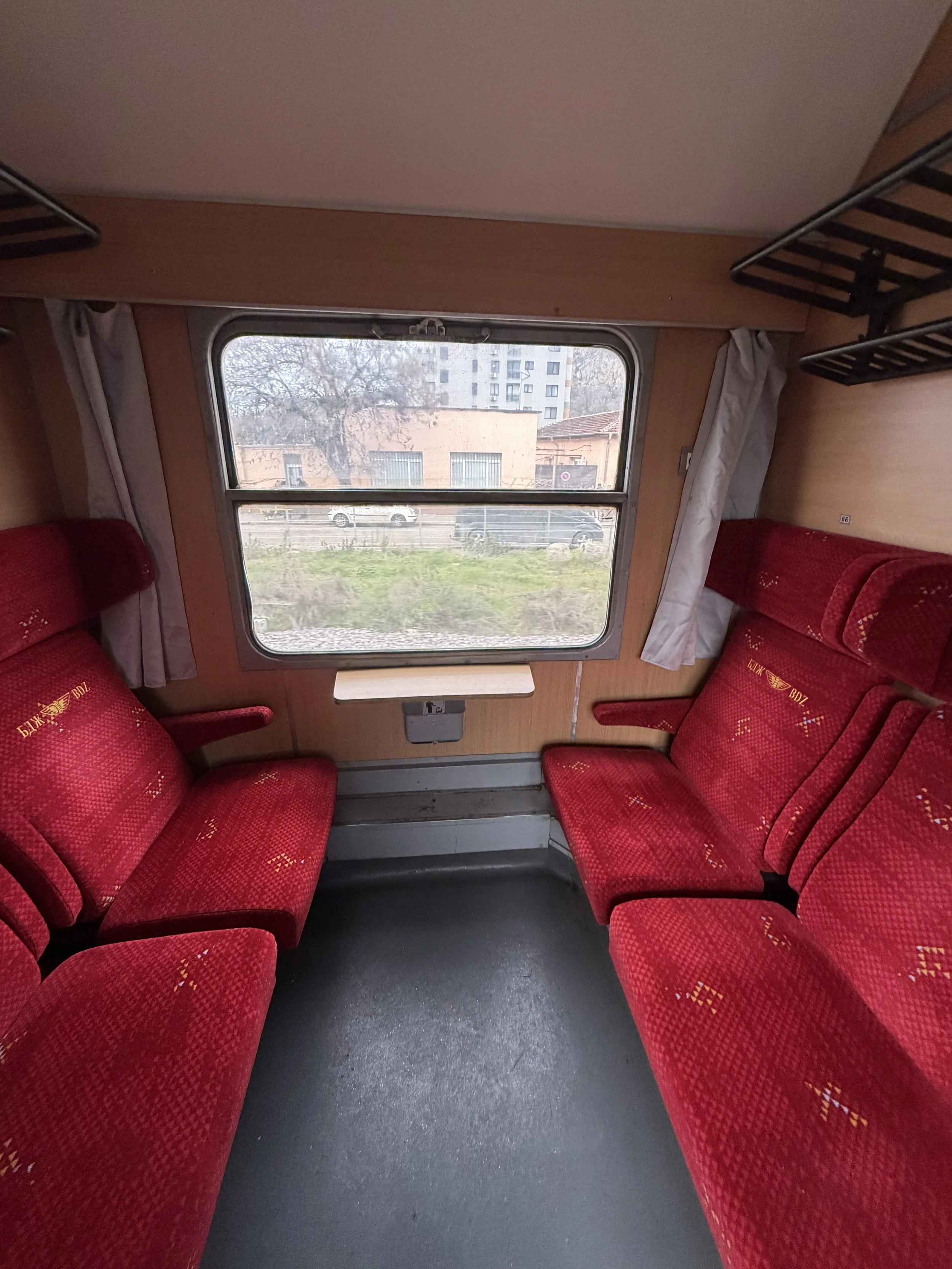
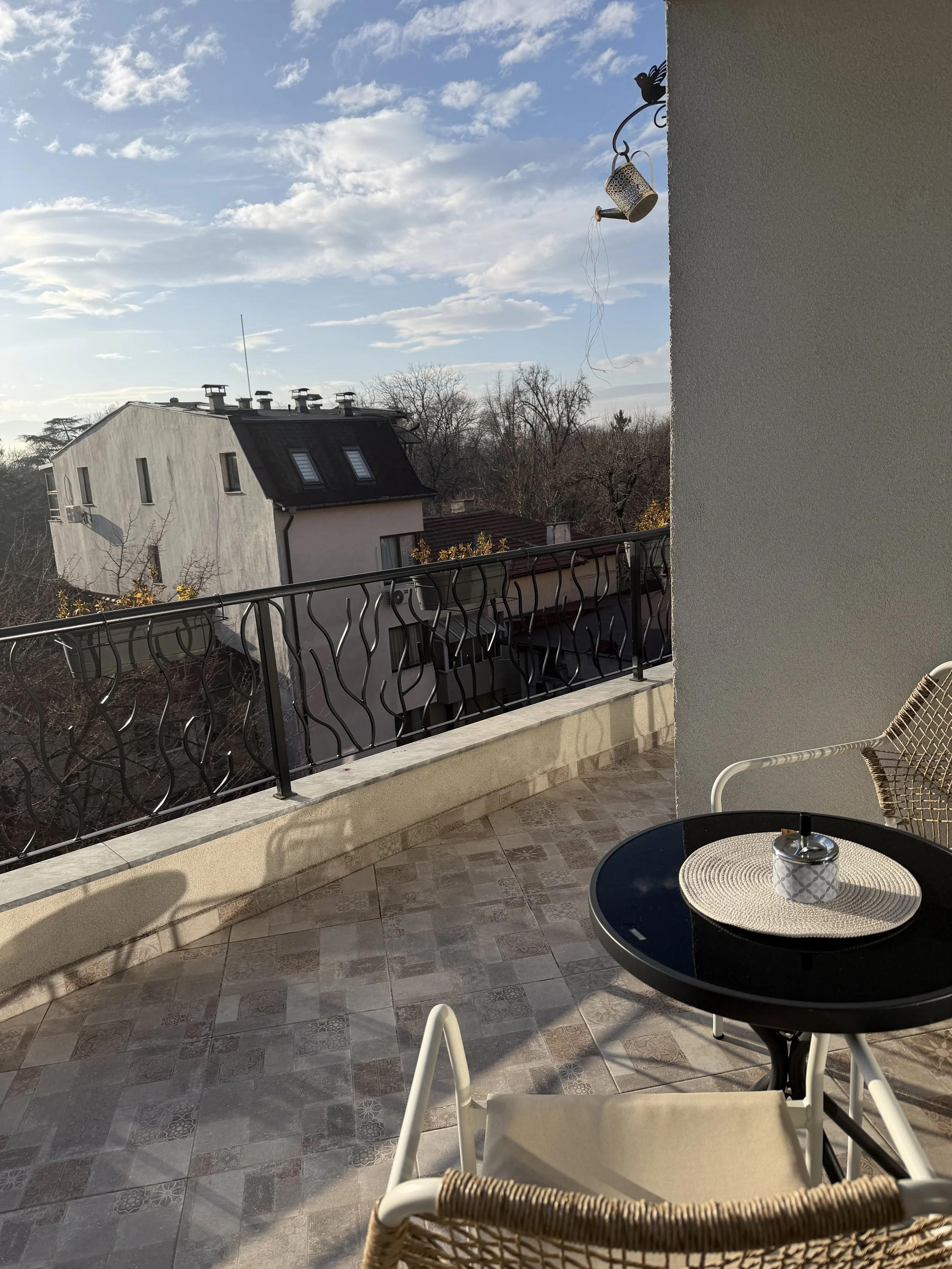
The weather was better for us here than in Bansko or Sofia. Even though it was January, the temperatures were pretty mild and in the 50s Fahrenheit. Our Airbnb was almost as nice as the one in Sofia, and it had a balcony:
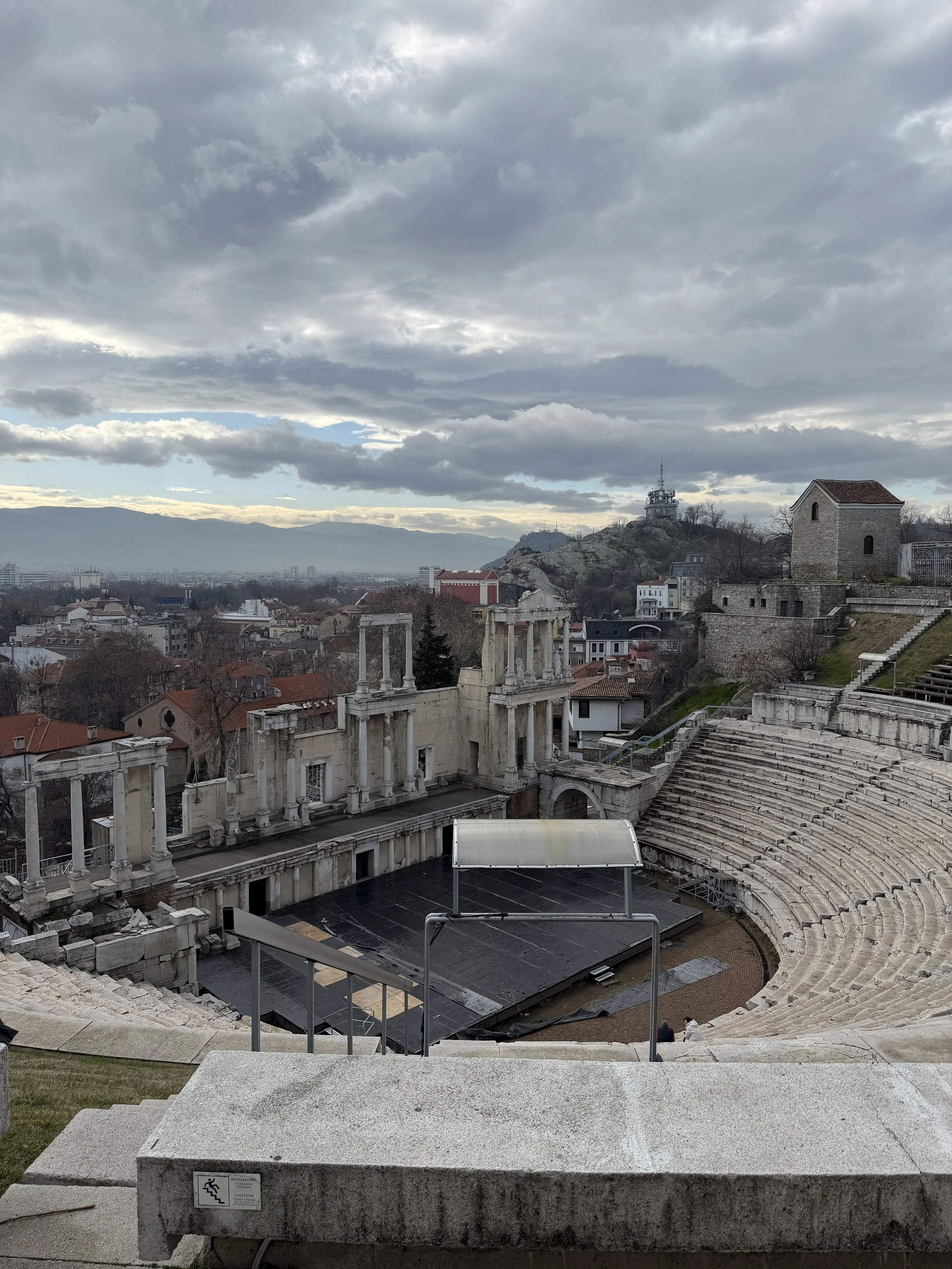
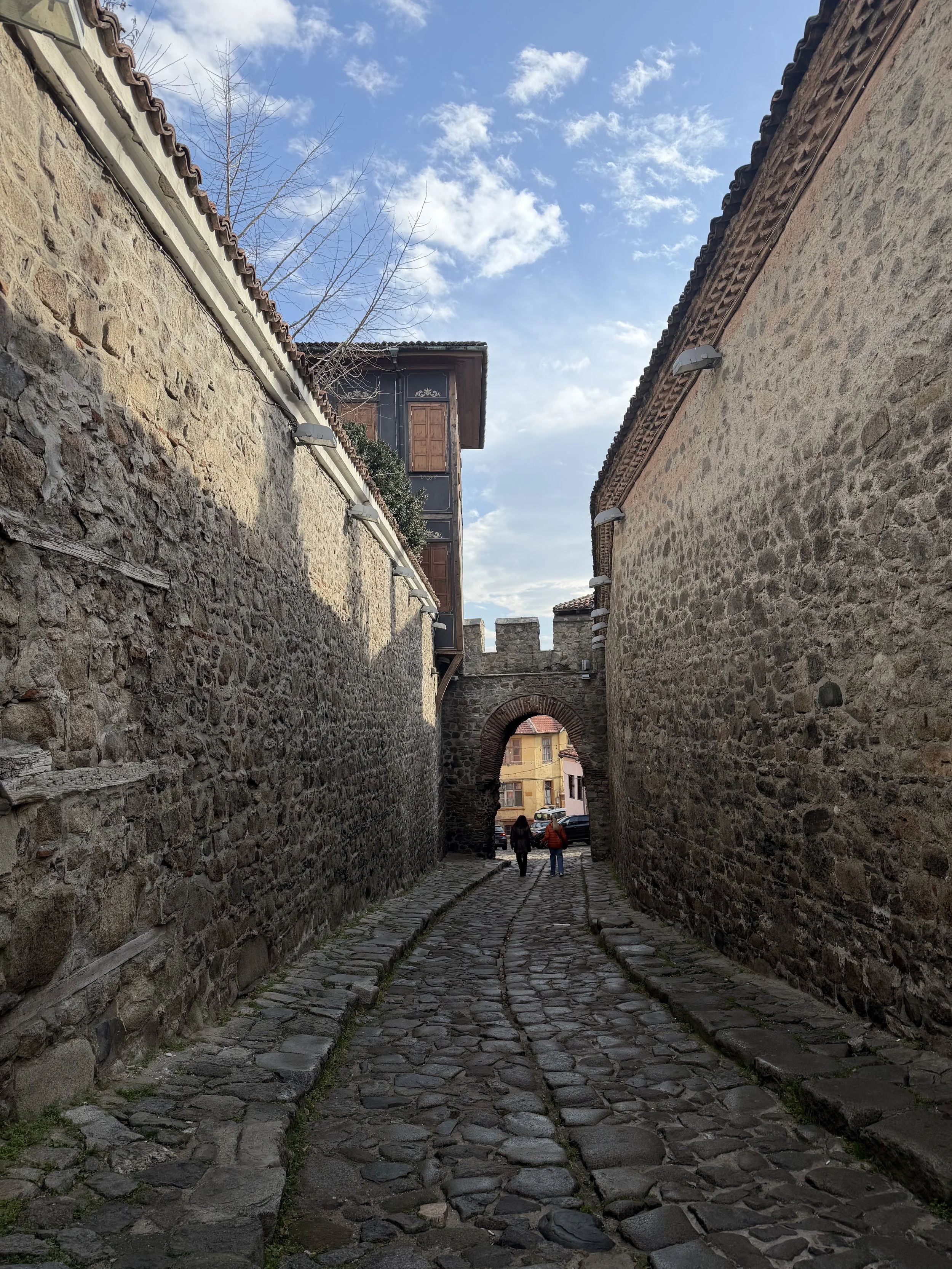
We took a free walking tour that revealed more of Bulgaria’s layers of history. Plovdiv is the oldest, continuously inhabited city in Europe. You can see more ruins of the Roman Empire under modern city streets. And an amphitheater that’s still in operation for summer concerts:
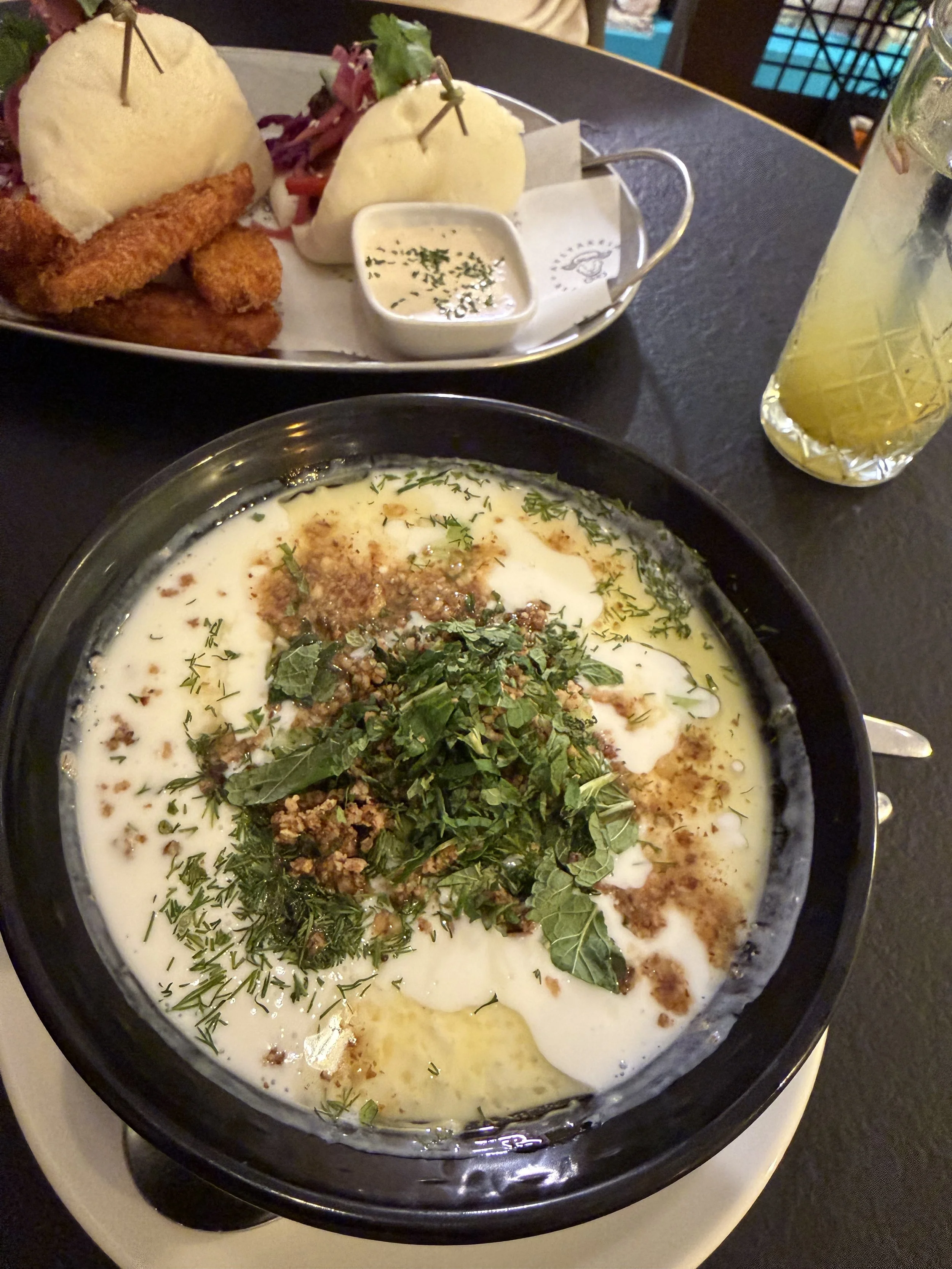
We ventured out of our Airbnb this time and tried a few restaurants. My favorite was Aylyakria gastrobar, where we tried tarator yogurt and cucumber soup. It was tasty.
Overall, I thought Plovdiv was a much more charming and unique city than Sofia, and I’m glad we had the chance to spend some time there.
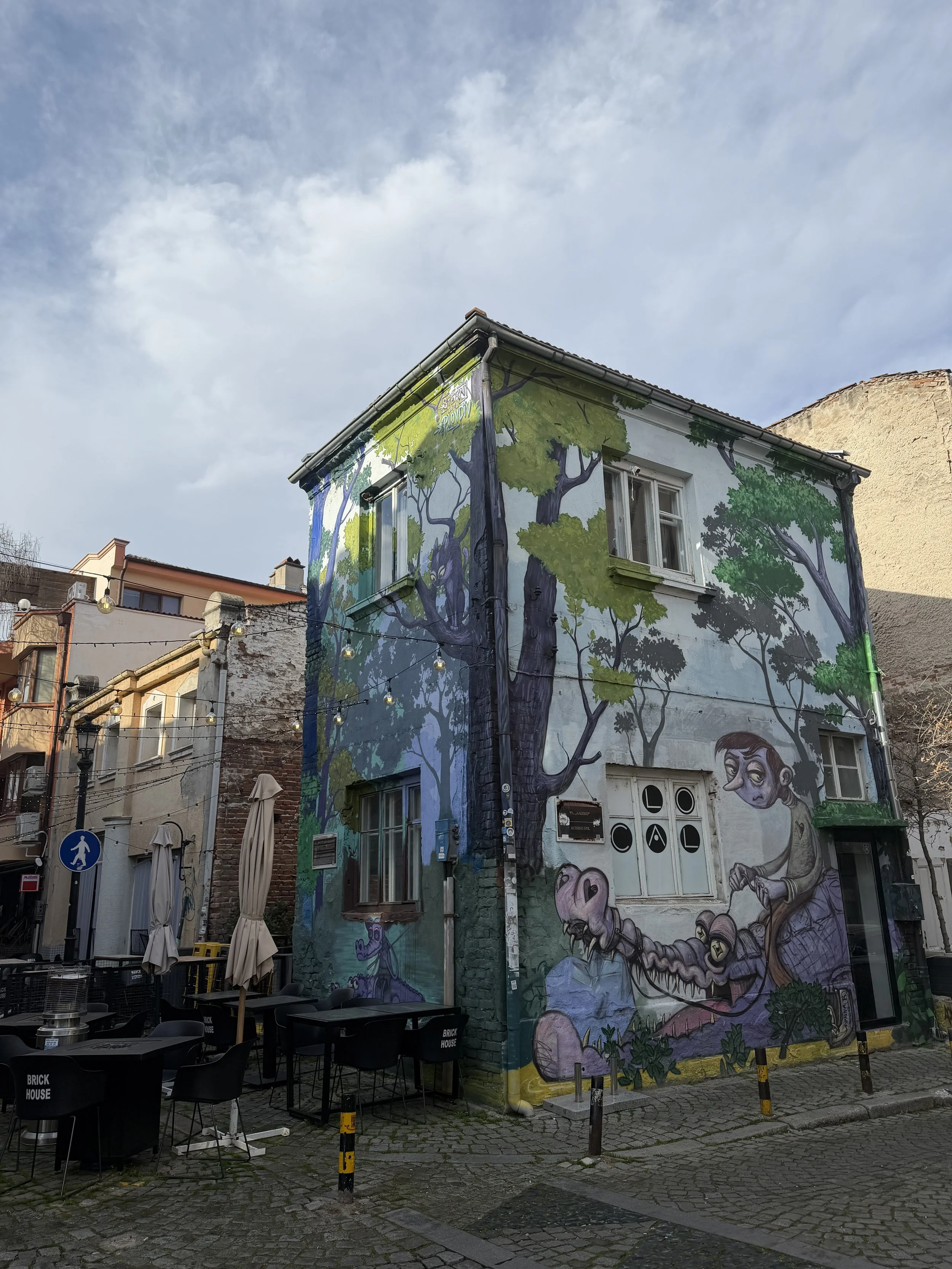
All things considered, we had mixed feelings about Bulgaria… Parts were very run down or stuck in the past, but other parts were a beautiful expression of the country’s history. I want to see as much of the world as I can, so of course it was worth it to see a new place and experience a different culture. If you’re interested in history or experiencing this part of the word, then I definitely think these three places are worth the trip.
Skiing in Bansko, Bulgaria
A ski trip to Bansko, Bulgaria.
To ring in 2026, we spend New Year’s Eve and New Year’s Day skiing in Bansko, Bulgaria. I have to start off by saying, I learned about Bansko from a travel podcast that recommended it as a great place to ski that hadn’t been discovered by tourists yet. After visiting, I can safely say that Bansko has very much been discovered by very many tourists!
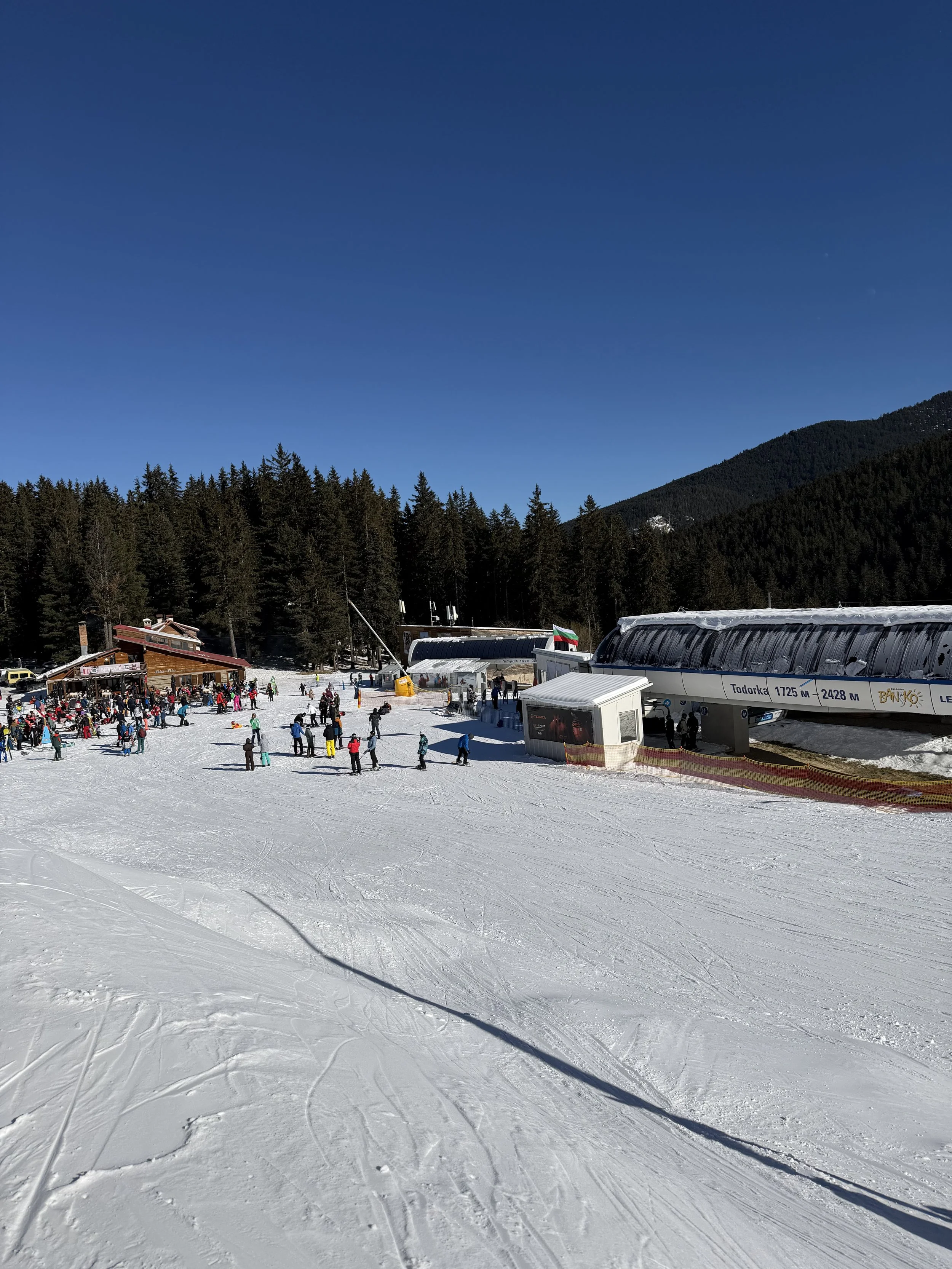
The ski area was quite crowded, which of course can be expected for ski areas that week after Christmas. Overall, it was less crowded than most ski areas in the US would have been, with hardly any lift lines apart from the main gondola that takes you from town to the ski area. The beginner trails were packed with people and it was hard to find a seat at lunch, but the top of the mountain was emptier and more spread out. The lift tickets were also cheaper than they would have been in the US, coming in at around $65 per day.
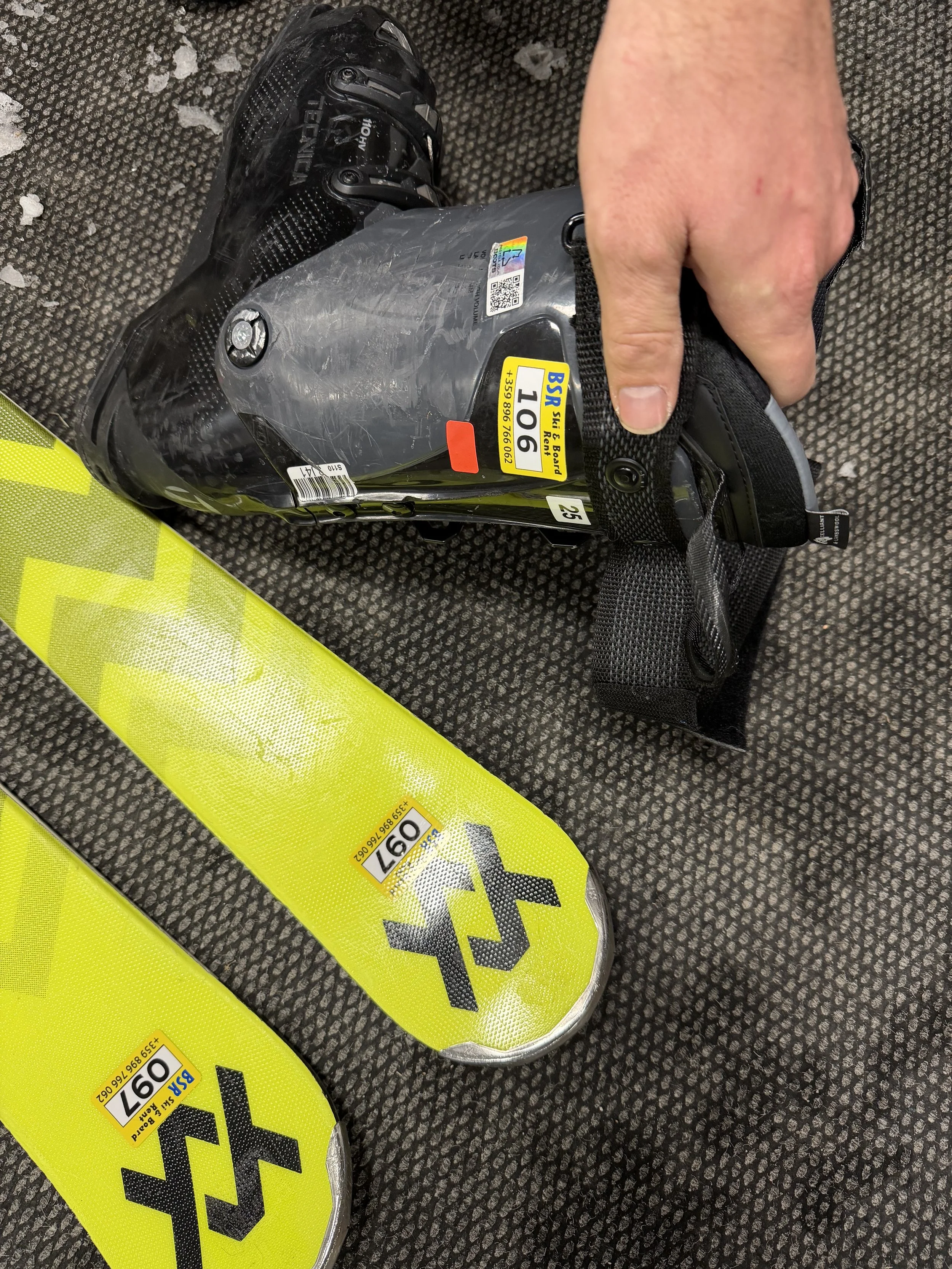
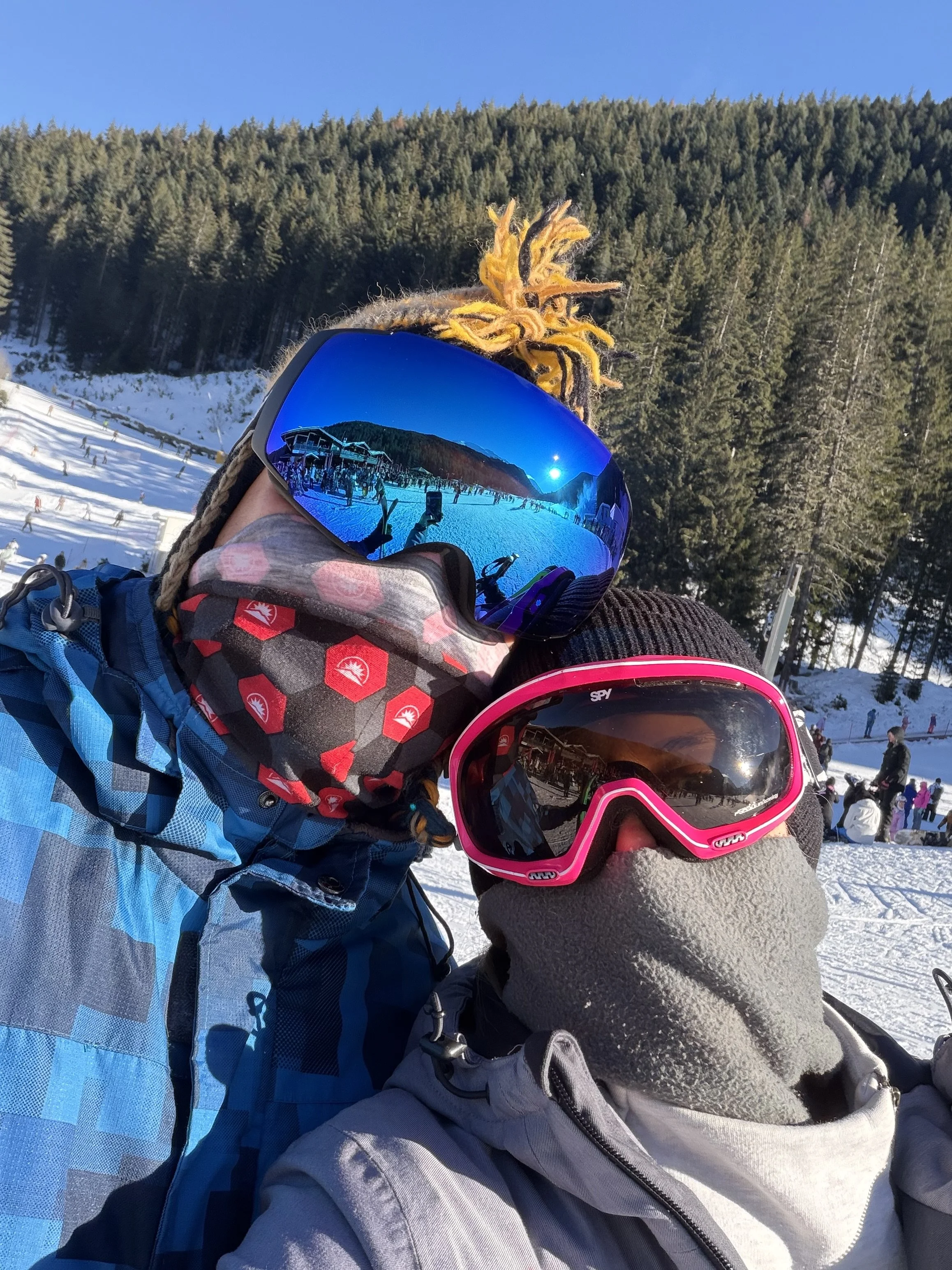
We rented clothing and equipment from BSR Ski Rent. The skis and boots were pretty decent, but the jackets and snow pants had seen better days. We got spoiled last year in Japan with their amazing organization systems and high quality rental gear, so we came in with high expectations. Bulgaria, as you might expect, was not so organized as Japan, but we got some skis, boots, and clothing for about $25 and only reserved a couple of days in advance. I don’t think they actually track the reservation system and instead just see what they have when you get there, but our friend “Bob” from Bansko got us set up with what we needed, save for a few rips and tears and limited selection. We brought goggles, hats, and gloves from home, which were all very needed since temperatures were in the single digits (Fahrenheit)!
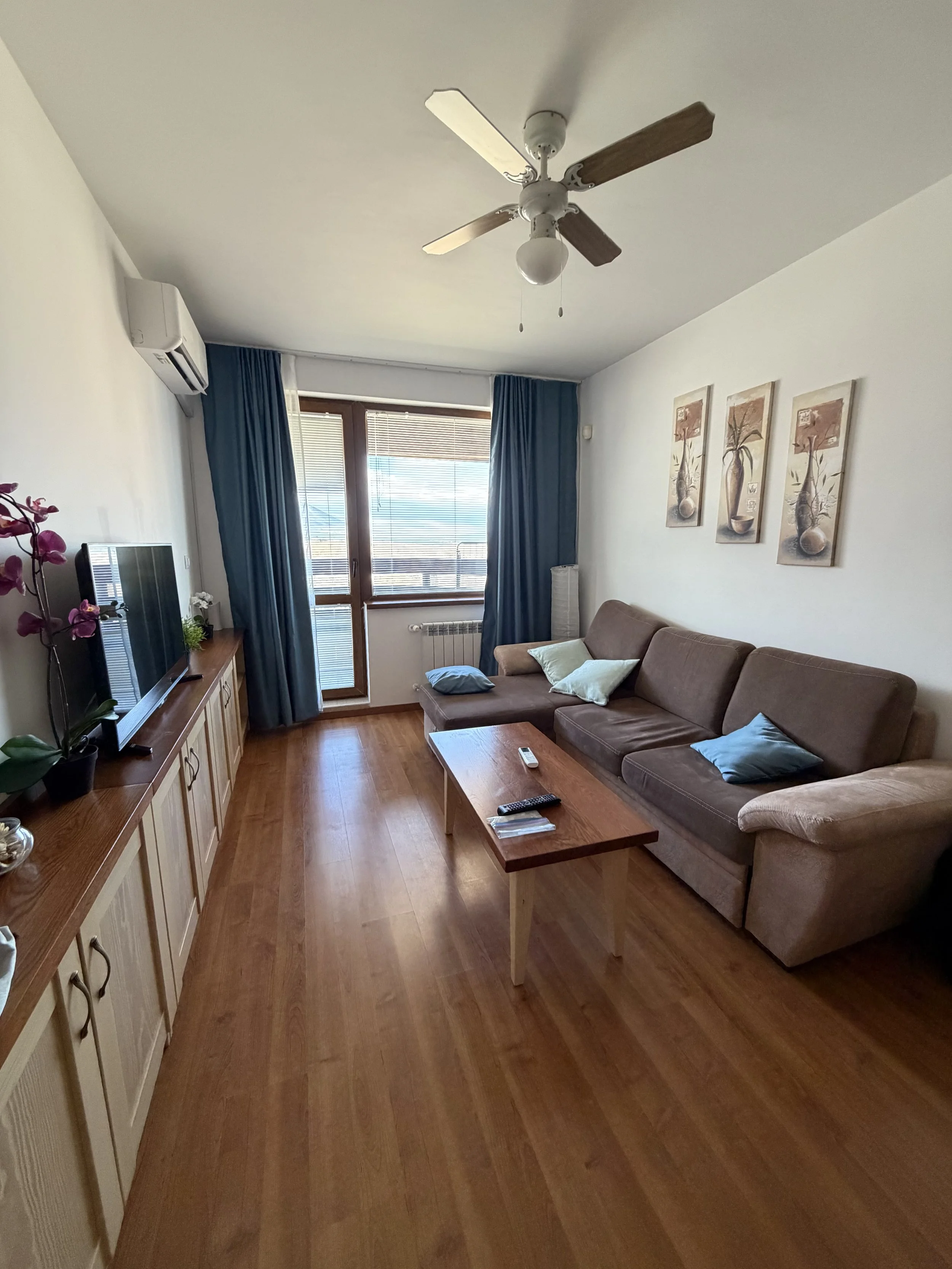
We stayed in an apartment at the Belvedere Holiday Club, which also had some pros and cons. It was a little overpriced for Bulgaria (at just under $200 a night), but on the other hand, where in the US can you stay walking distance to the lifts for that price? When we arrived, our room had not yet been cleaned from the previous guests—that’s the first time that’s ever happened to me with an Airbnb type of place! But it was an easy fix, and our host had it rectified in under an hour. They made up for it by leaving a bottle of prosecco to celebrate the new year.
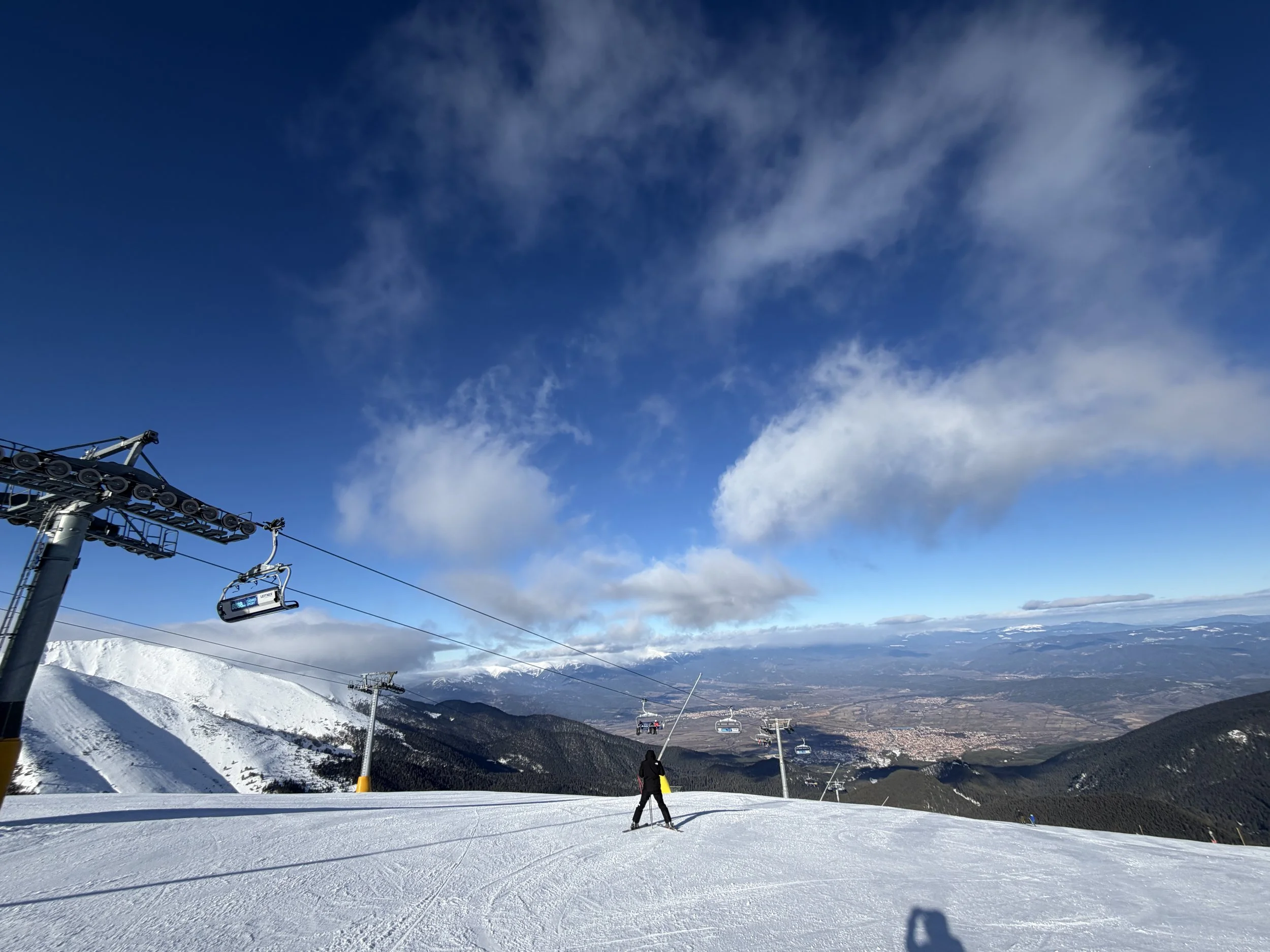
The ski area was unique, since you walk to a gondola in town and then the gondola brings you to the base area to take other lifts. At the end of the day, there’s a long ski road to get all the way down into town. I’m not sure if Bryan had fun, since the trails were icy and crowded, but for me, it was enjoyable to get to see what skiing is like in another country.
We were also walking distance from the restaurants in town, so we tried a few places for dinner. The House was nice and cozy for traditional food and Alpen was a deliciously memorable Italian meal. We found that a lot of places would turn you away without a reservation, even if they looked completely empty, so it’s best to book in advance. Generally, Bulgarian food was delicious, with a lot of barbecued meats, fresh veggies, and really good bread. There were slim pickings for breakfast, so if you’re thinking about opening a breakfast cafe or coffee shop—you might find a market in Bansko. We either grabbed protein bars from the convenience store or skipped breakfast altogether, but Station had good omelettes on our last day.
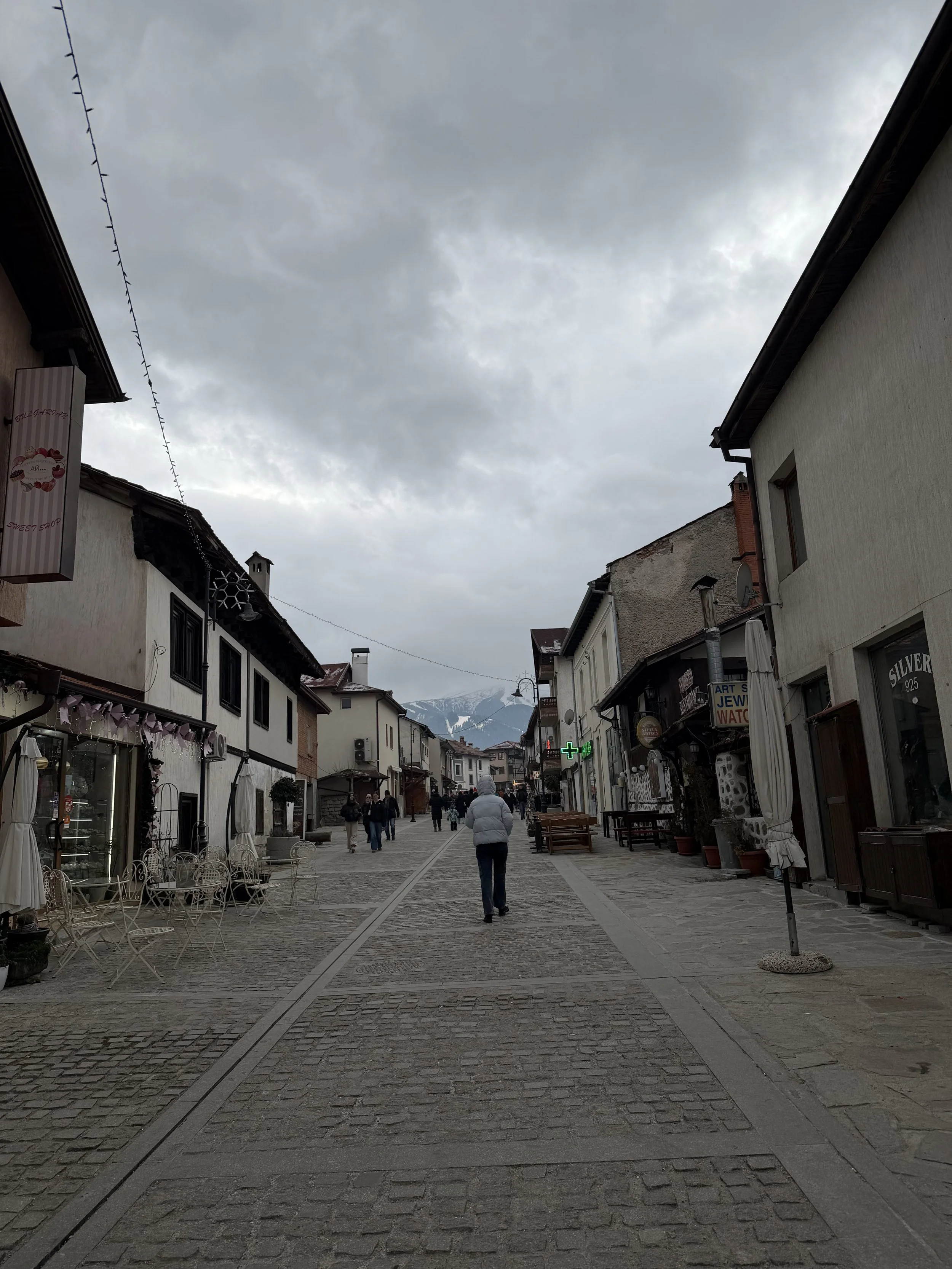
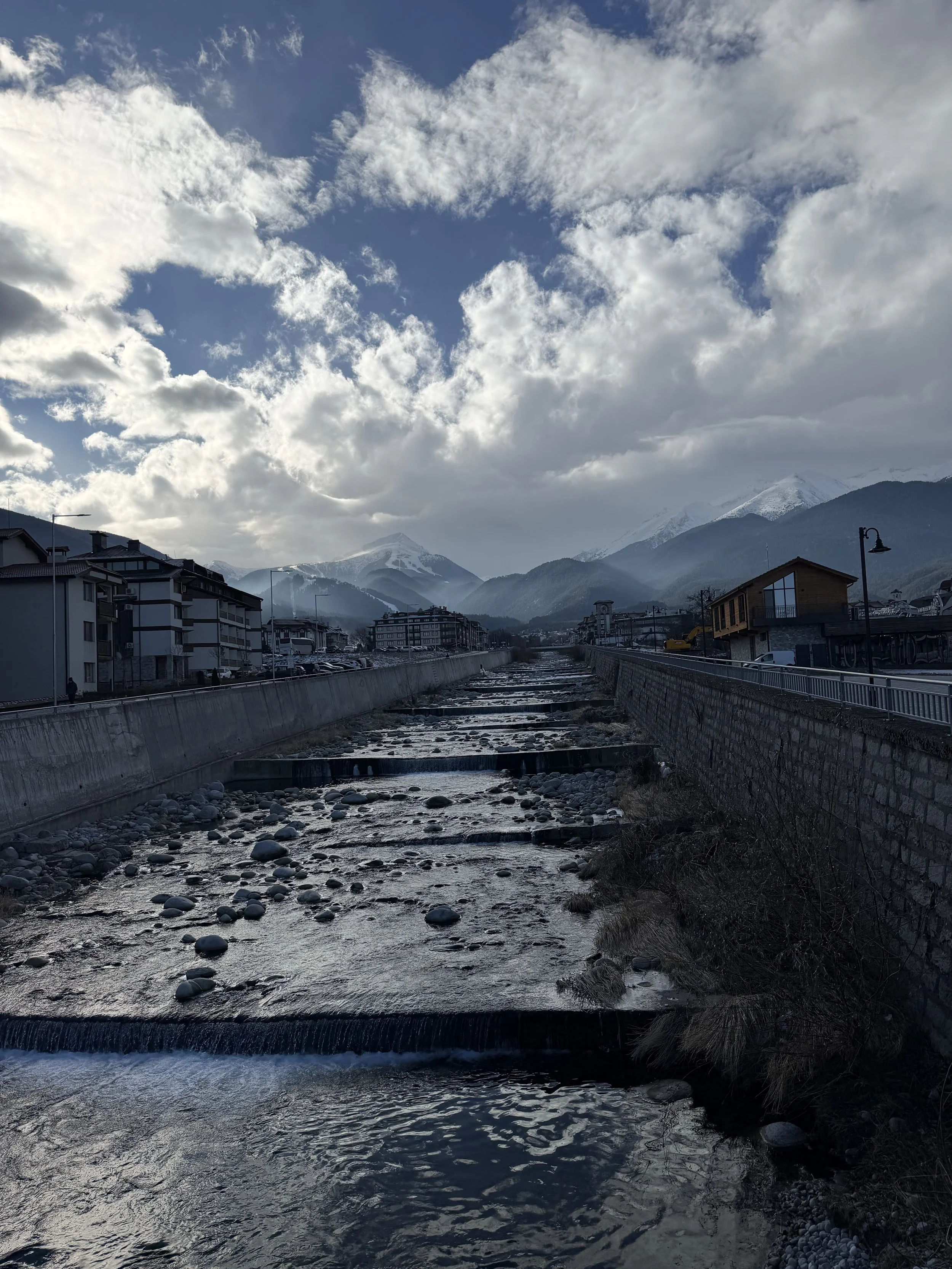
The little town was quaint and peaceful with nice views of the mountains. New Year’s Eve was pretty subdued for us, but there was some live music and dancing at the restaurant we went to for dinner, and we saw a lot of fireworks going off at night.
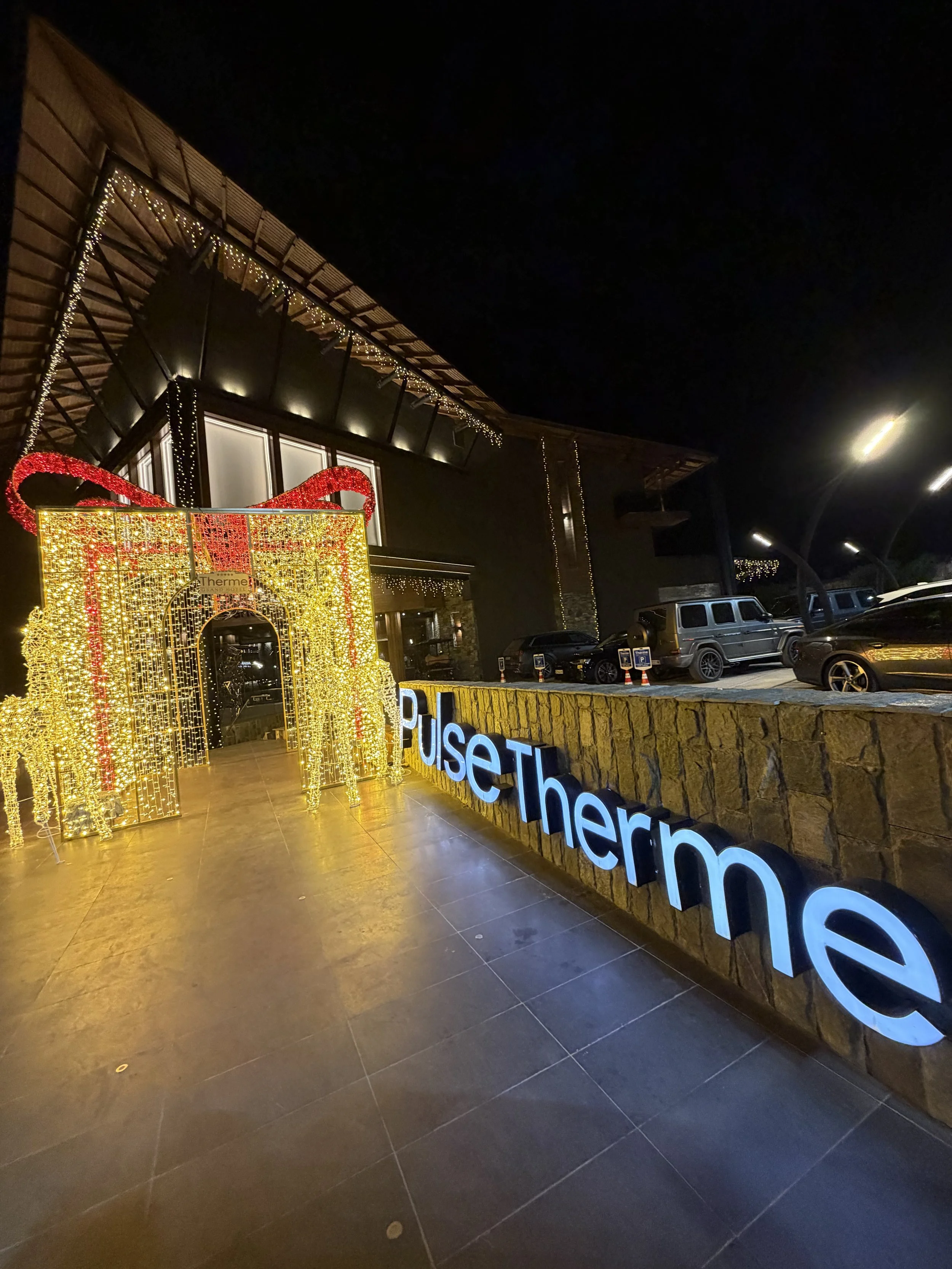
On January 2nd, we were done with skiing and booked a day at the spa. We chose Pulse Therme in Banya because they have a brand new location with lots of baths and saunas to choose from. There were some issues with our arrival, because as we arrived the electricity went out, so the spa was closed. They brought us to their other location back in Bansko, but as soon as we got there, they told us the electricity had come back on at the first location and that it would be much less crowded. So we went back, and it was still extremely crowded! But after all the back and forth, we settled in, used the gym, and bopped around to all the baths, pools, steam rooms, rain rooms, and saunas that we could fit into our four-hour visit. It was a nice spa, besides being overcrowded, and I’m not sure if it was due to the electrical issue, but the hot tubs were more warm than hot.
That was all for our three days in Bansko. As you can tell, there were some ups and downs, but overall it was a unique experience and new place to ring in the new year. Happy trails!
**It’s a privilege getting to ski in other countries. I make sure I’m covered with affordable and reliable travel medical insurance in case anything goes wrong. I choose SafetyWing because their Nomad Insurance policy covers activities, including skiing, in 185+ countries. To sign up, visit this link.